
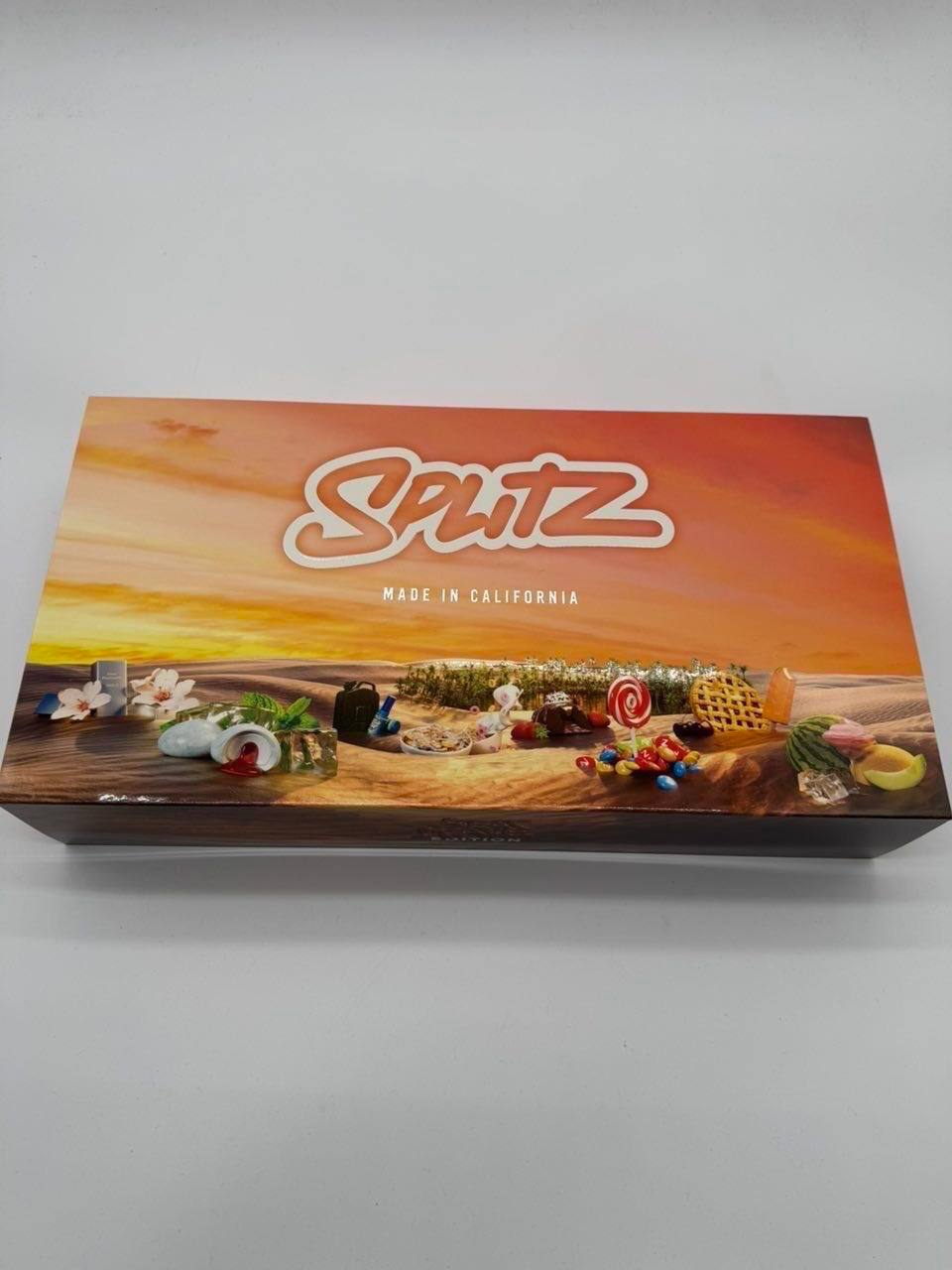

Splitz Heat Wave Edition Wax Concentrate
Refined Extraction. Heat-Controlled Consistency. Precision-Built Concentrate Form.
A Modern Standard in Concentrate Craft
The splitz heat wave edition wax concentrate represents a structured approach to modern concentrate design. Built around controlled processing and refined extraction methods, it focuses on consistency, texture stability, and material integrity.
In today’s concentrate market, quality is defined by precision and handling control. However, not all formats maintain uniform structure. Therefore, heat-managed processing methods are used to support consistency.
the “Heat Wave Edition” concept reflects controlled thermal refinement. As a result, the final concentrate form maintains a stable and workable structure.
Extraction Overview: Controlled Thermal Processing
The foundation of this concentrate lies in its extraction and refinement process. Controlled heat application plays a key role in achieving consistent texture.
At first, raw extract material is prepared under regulated conditions. Then, controlled heat is applied to refine structure. Because of this, the final wax achieves uniform consistency.
Additionally, careful temperature management prevents degradation of structure. Therefore, product stability is maintained.
Wax Texture Profile: Balanced and Moldable
Wax concentrates are defined by their texture, which determines handling and structural behavior.
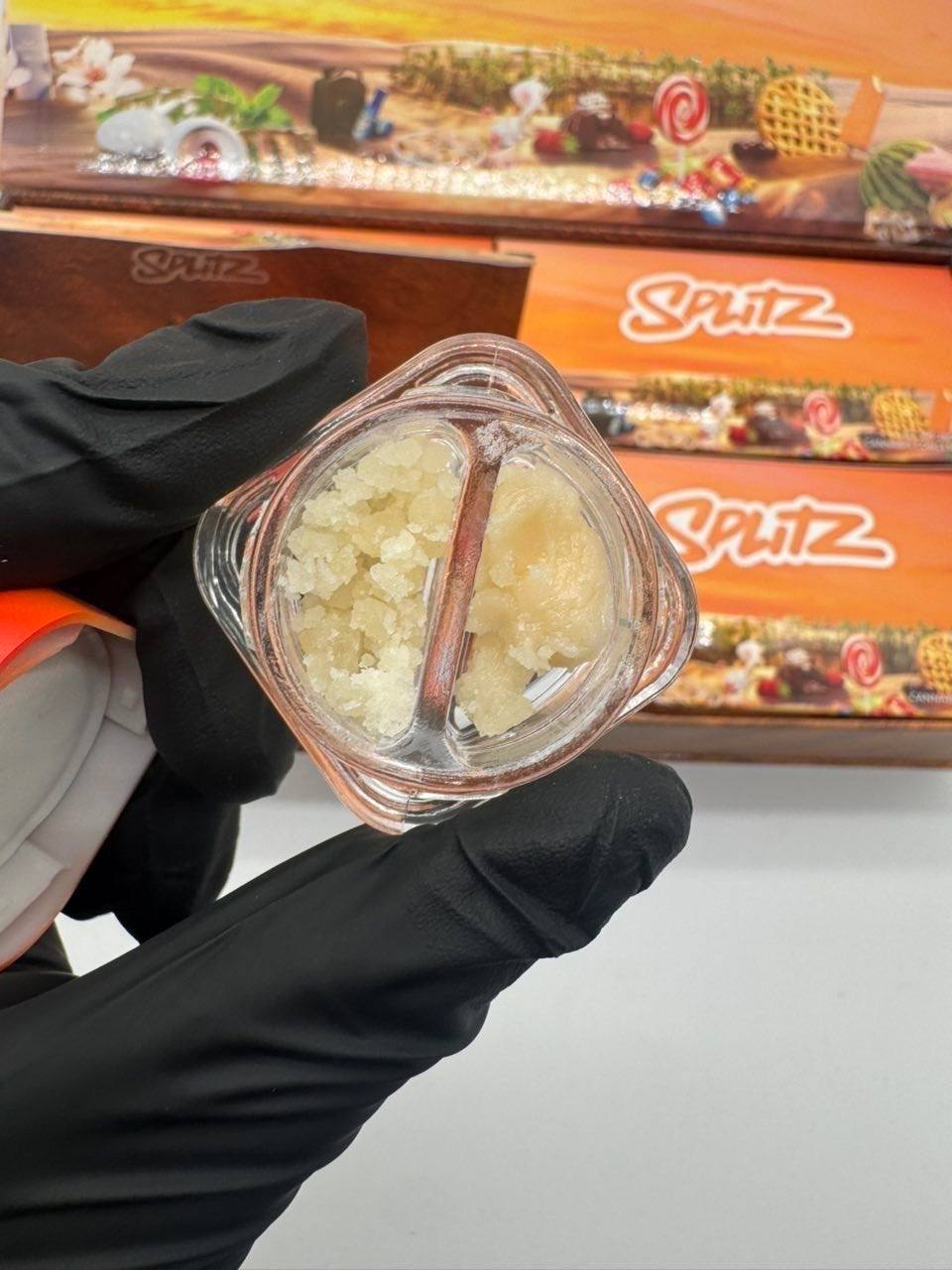
At first inspection, the wax appears soft and pliable. Then, it maintains shape under controlled conditions. Because of this, it remains easy to manage.
balanced texture improves uniformity. As a result, the concentrate retains consistency.
Heat Wave Refinement: Thermal Stability Engineering
The Heat Wave refinement process focuses on controlled heating cycles that stabilize texture and consistency.
At first stage, temperature is gradually increased. Then, stabilization is achieved through controlled cooling. Because of this, structural balance is maintained.
thermal cycles reduce irregularities. Therefore, final output remains uniform.
Color and Appearance: Clean Visual Structure
The visual characteristics of the wax concentrate reflect its refinement process.
At first glance, the material appears clean and even-toned. Then, subtle variations indicate natural composition. Because of this, visual quality remains consistent.
uniform appearance reflects processing control. As a result, presentation is enhanced.
Consistency Control: Structured Batch Refinement
Consistency is achieved through careful batch processing and monitoring.
At first production stage, material is separated and standardized. Then, each batch is refined under identical conditions. Because of this, uniform results are produced.
Additionally, quality checks ensure stability. Therefore, product variation is reduced.
Texture Stability: Maintaining Form Over Time
Texture stability ensures that the wax maintains its structure during storage and handling.
At first use, the material feels soft yet structured. Then, it retains shape under normal conditions. Because of this, usability improves.
Moreover, controlled processing reduces separation. As a result, consistency is preserved.
Packaging Design: Protection and Preservation
Packaging is designed to preserve structure and prevent external exposure.
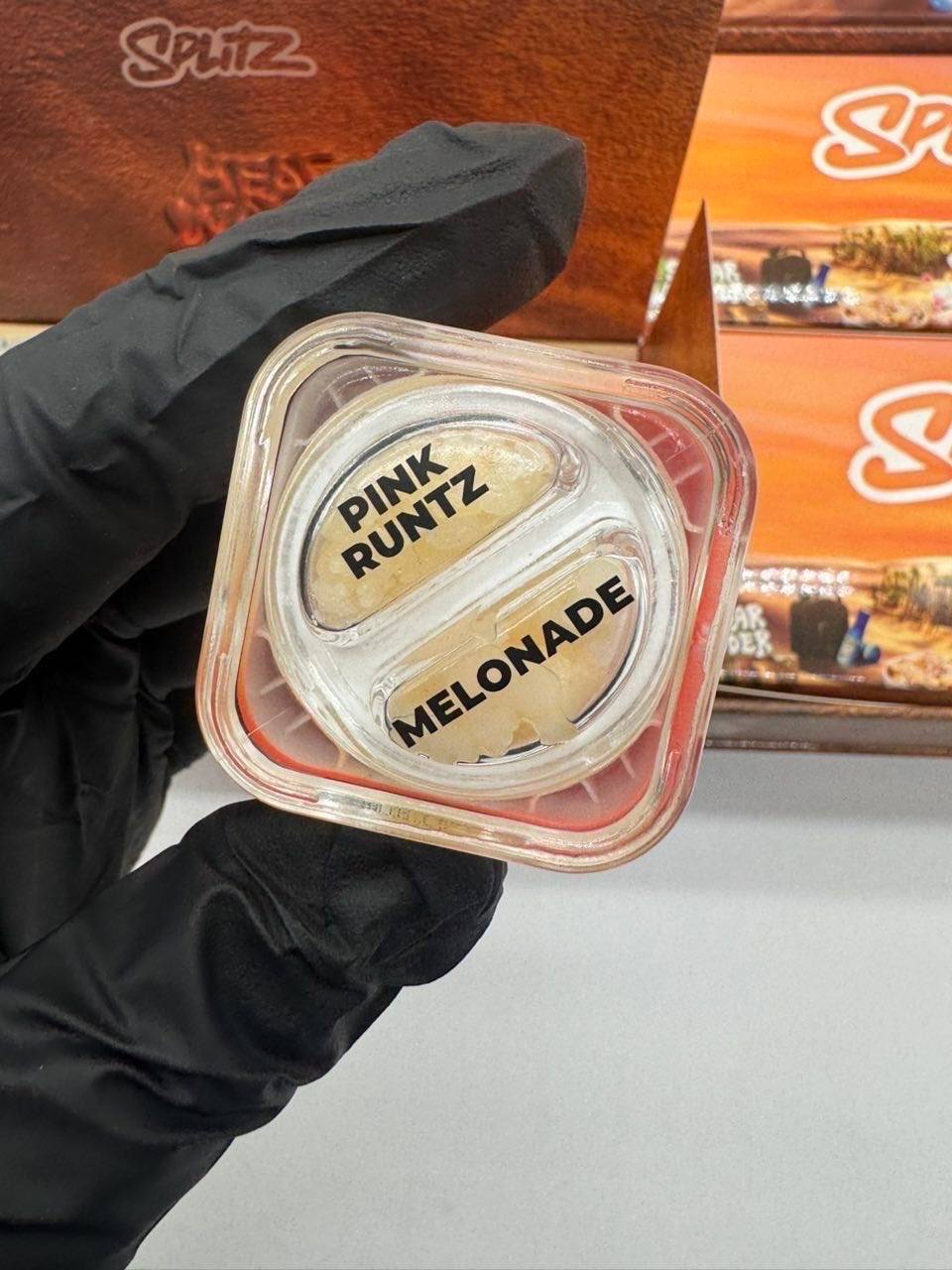
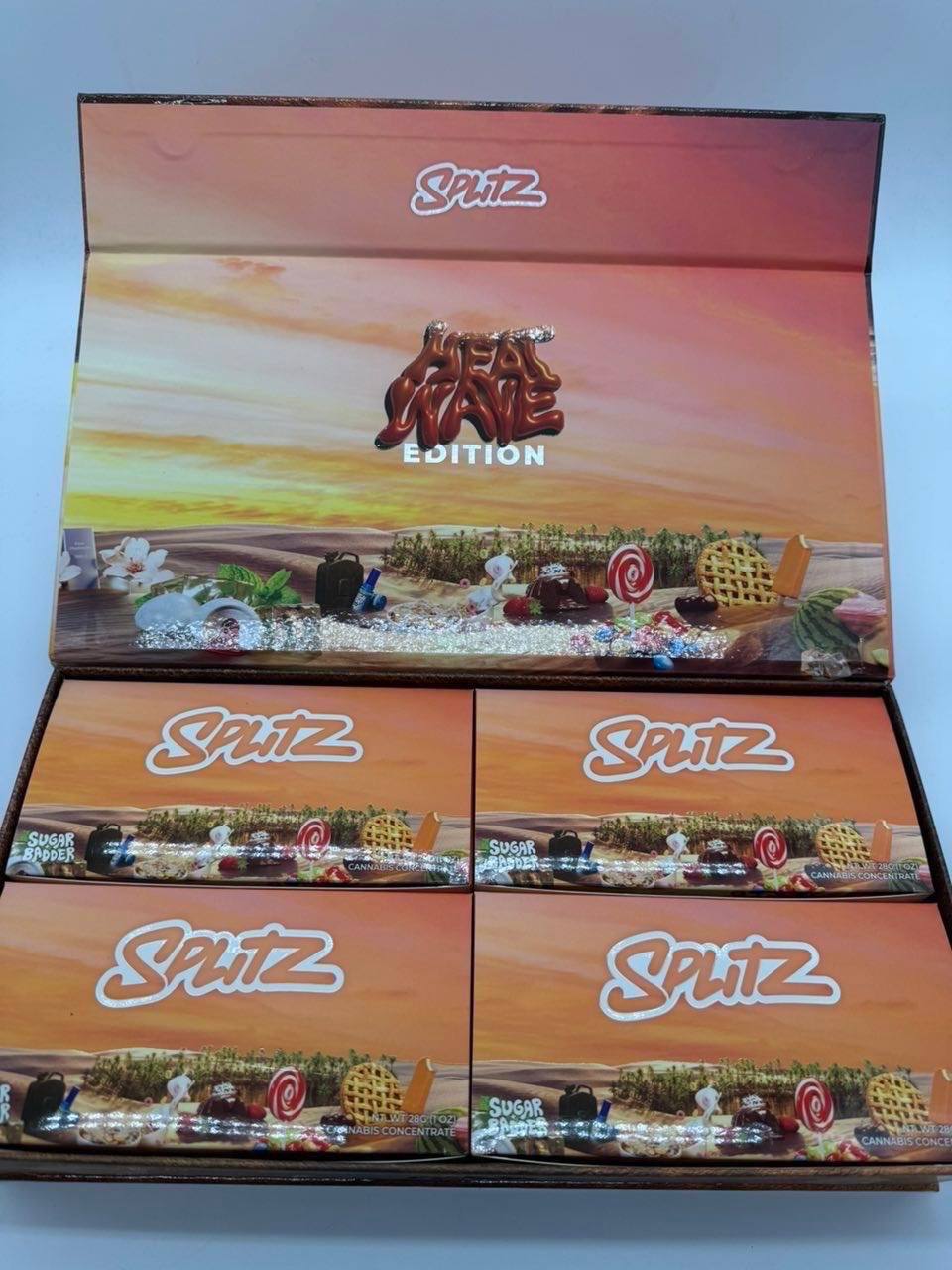
At first inspection, the container appears sealed and secure. Then, it maintains protection during storage. Because of this, product integrity is preserved.
Additionally, airtight sealing reduces contamination risk. Therefore, freshness is supported.
Storage Recommendations: Maintaining Quality Stability
Proper storage conditions are essential for preserving wax concentrate quality.
Recommended practices include:
- Store in a cool, dry environment
- Avoid direct heat exposure
- Keep container tightly sealed
- Minimize air contact
Because of these steps, structural stability is maintained.
Handling Characteristics: Controlled and Manageable
Handling is an important aspect of wax concentrate usability.
At first touch, the material feels workable. Then, it maintains structure under controlled conditions. Because of this, handling remains consistent.
balanced texture improves control. As a result, preparation becomes more stable.
Purity Focus: Clean Processing Standards
The production process emphasizes clean refinement and structural clarity.
At first stage, raw material is filtered and refined. Then, impurities are reduced through controlled processing. Because of this, final output remains consistent.
Additionally, purification steps improve clarity. Therefore, overall quality is enhanced.
Batch Uniformity: Standardized Output
Uniformity across batches ensures predictable structure and quality.
At first inspection, each batch follows identical standards. Then, consistency is verified through quality control. Because of this, reliability is achieved.
Moreover, standardized processing reduces deviation. As a result, product consistency improves.
Structural Integrity: Maintaining Wax Form
Structural integrity ensures that the wax remains stable under different conditions.
At first observation, the structure appears cohesive. Then, it maintains form under normal handling. Because of this, durability improves.
controlled cooling supports stability. Therefore, structure remains intact.
Market Positioning: Premium Wax Category
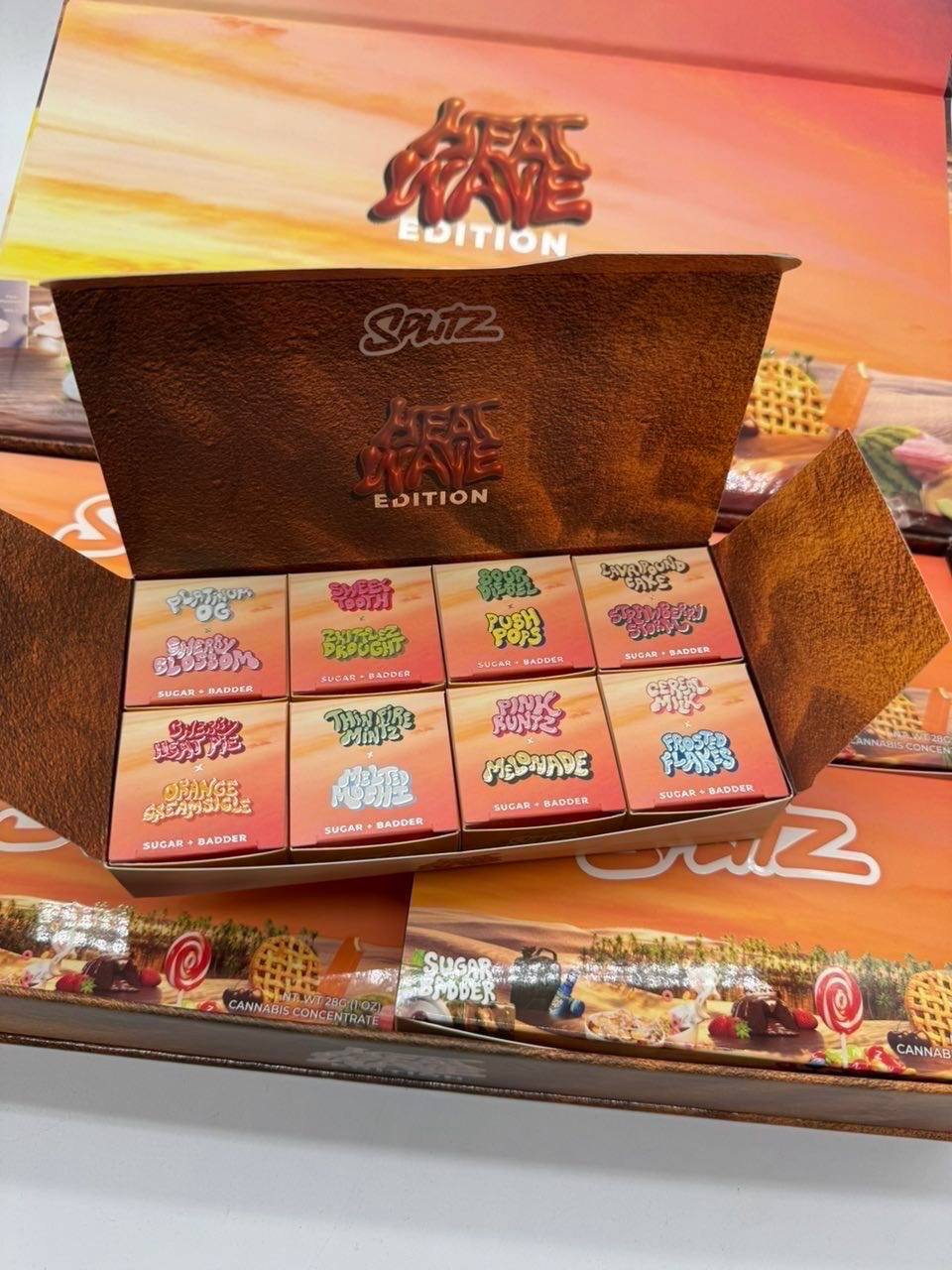
The Splitz Heat Wave Edition is positioned within a refined wax concentrate category focused on structure and consistency.
- Heat-controlled refinement process
- Stable wax texture
- Batch consistency standards
- Protective packaging design
Because of these elements, it stands out in its category.
Competitive Edge: Thermal Refinement System
The product differentiates itself through its Heat Wave refinement process.
At first comparison, the system appears specialized. Then, its structural benefits become clear. Because of this, it offers improved consistency.
Moreover, thermal refinement enhances uniformity. As a result, product stability increases.
User Handling Experience: Structured and Predictable
The handling experience is designed to be predictable and controlled.
At first use, texture behavior is consistent. Then, it remains stable throughout handling. Because of this, usability improves.
Additionally, structured consistency reduces variability. Therefore, user experience is enhanced.
Portability: Compact and Secure Format
The wax concentrate is packaged in a compact format for ease of transport.
At first use, portability is noticeable. Then, it remains convenient during storage. Because of this, mobility improves.
Moreover, secure packaging supports travel safety. As a result, protection increases.
Responsible Storage: Maintaining Product Condition
Responsible storage practices help preserve wax quality over time.
Additionally, minimizing heat exposure ensures stability. Because of this, long-term quality is maintained.
Controlled Refinement in Wax Form
The Splitz Heat Wave Edition Wax Concentrate reflects a structured approach to concentrate refinement. Its heat-controlled processing, stable texture, and batch consistency create a reliable wax format.
While many concentrates vary in structure, this product emphasizes controlled thermal refinement. As a result, it delivers a more consistent and balanced form.
Structure, Stability, and Refinement
The Splitz Heat Wave Edition Wax Concentrate combines controlled extraction, thermal refinement, and structured packaging. Its stable texture and consistent batch processing define its refined identity.
Additionally, its protective design enhances usability and storage. For users seeking structured wax formats focused on consistency and control, this product represents a modern refinement approach.
It brings together thermal precision, structural stability, and careful processing—creating a concentrate format that is consistent, controlled, and professionally refined.
Extended Refinement Process: Multi-Stage Thermal Control
The Splitz Heat Wave Edition Wax Concentrate undergoes a multi-stage refinement process designed to improve structural balance and consistency. Each stage is carefully controlled to ensure uniformity across the final product.
At first, the base extract is prepared under regulated conditions. Then, gradual thermal application begins to stabilize the material. Because of this, the concentrate develops a more even structure.
controlled cooling phases are applied between heating cycles. Therefore, the wax maintains stability without losing cohesion.
Material Homogenization: Ensuring Even Structure
Homogenization plays a key role in achieving consistent wax texture. This process blends the material into a unified structure.
At first, minor inconsistencies may appear in raw form. Then, controlled blending reduces variation. Because of this, the final product becomes more uniform.
repeated refinement cycles improve texture balance. As a result, structural reliability increases.
Viscosity Control: Balanced Wax Behavior
Viscosity defines how the wax behaves under different conditions. Controlled viscosity ensures that the material remains workable while maintaining structure.
At first handling, the wax feels soft and responsive. Then, it stabilizes under normal conditions. Because of this, usability improves.
viscosity adjustments prevent separation. Therefore, consistency remains intact.
Cooling Phase Engineering: Stabilization After Heat
Cooling is just as important as heating in the refinement process. It locks in structure and prevents instability.
At first, the material is still flexible after heat exposure. Then, controlled cooling begins to stabilize form. Because of this, structural integrity is preserved.
Moreover, gradual cooling reduces crystallization irregularities. As a result, the wax maintains smooth consistency.
Surface Uniformity: Clean and Polished Finish
The surface appearance of the wax reflects the quality of its refinement process. A uniform finish indicates proper processing control.
At first glance, the texture appears smooth and consistent. Then, closer inspection reveals refined uniformity. Because of this, visual quality is enhanced.
Additionally, surface consistency reflects batch stability. Therefore, quality control is evident.
Internal Structure: Balanced Molecular Distribution
The internal structure of the wax is engineered through controlled refinement cycles that promote even distribution.
At first processing stage, distribution may appear uneven. Then, repeated refinement improves balance. Because of this, structural consistency increases.
Moreover, stabilized composition improves long-term integrity. As a result, product durability is enhanced.
Packaging Integrity: Multi-Layer Protection System
Packaging is designed with multiple protective layers to preserve wax quality and structure.
At first inspection, the container appears compact and sealed. Then, its protective layers become more apparent. Because of this, environmental exposure is minimized.
Additionally, sealing systems reduce oxidation risks. Therefore, product condition remains stable.
Environmental Sensitivity: Protection from External Factors
Wax concentrates are sensitive to environmental changes such as heat, light, and air exposure.
At first exposure, slight changes in texture may occur. Then, proper storage prevents degradation. Because of this, stability is maintained.
controlled environments extend product lifespan. As a result, quality retention improves.
Handling Stability: Predictable Structural Response
Handling stability ensures that the wax behaves consistently during use and storage.
At first touch, the wax responds smoothly. Then, it retains shape under controlled handling. Because of this, predictability improves.
Additionally, stable structure reduces inconsistencies during manipulation. Therefore, usability is enhanced.
Batch Calibration: Precision Manufacturing Standards
Each production batch is calibrated to ensure consistent output quality.
At first production stage, parameters are established. Then, calibration ensures uniform application across batches. Because of this, variation is reduced.
quality monitoring supports precision. As a result, consistency is achieved.
Structural Recovery: Maintaining Shape After Disturbance
Structural recovery refers to the wax’s ability to return to stable form after handling.
At first disturbance, slight deformation may occur. Then, the material stabilizes under controlled conditions. Because of this, resilience improves.
Additionally, controlled refinement enhances recovery behavior. Therefore, structural integrity remains strong.
Product Uniformity: Standardized End Result
Uniformity ensures that each unit of wax maintains the same structural characteristics.
At first inspection, variation between units is minimized. Then, consistency becomes clear across batches. Because of this, reliability improves.
Moreover, standardized processes reduce deviation. As a result, predictability increases.
Thermal Memory Effect: Controlled Response to Heat
Thermal memory refers to how the wax responds to repeated heating and cooling cycles.
At first exposure, the structure adjusts slightly. Then, it stabilizes after repeated cycles. Because of this, performance becomes predictable.
Additionally, controlled refinement minimizes irregular shifts. Therefore, structural balance is maintained.
Packaging Durability: Designed for Long-Term Protection
Durability in packaging ensures that the wax remains protected during extended storage periods.
At first use, the container feels solid and sealed. Then, it continues to maintain integrity over time. Because of this, protection is reliable, splitz heat wave edition wax splitz heat wave edition wax splitz heat wave edition wax splitz heat wave edition wax splitz heat wave edition wax splitz heat wave edition wax splitz heat wave edition wax splitz heat wave edition wax splitz heat wave edition wax splitz heat wave edition wax splitz heat wave edition wax splitz heat wave edition wax splitz heat wave edition wax splitz heat wave edition wax
Moreover, reinforced design reduces external impact risks. As a result, stability improves.
Storage Longevity: Extending Product Stability
Proper storage significantly extends the usable life of wax concentrate.
At first storage, conditions may vary. Then, stable environments preserve structure. Because of this, longevity increases.
Additionally, sealed containment reduces degradation. Therefore, product life is extended.
Quality Assurance: Multi-Point Inspection System
Quality assurance is applied at multiple stages of production to ensure consistency.
At first inspection, raw material is evaluated. Then, mid-process checks verify refinement quality. Because of this, defects are reduced, splitz heat wave edition wax splitz heat wave edition wax splitz heat wave edition wax splitz heat wave edition wax splitz heat wave edition wax splitz heat wave edition wax splitz heat wave edition wax splitz heat wave edition wax splitz heat wave edition wax splitz heat wave edition wax splitz heat wave edition wax splitz heat wave edition wax splitz heat wave edition wax splitz heat wave edition wax splitz heat wave edition wax .
Moreover, final inspection confirms structural stability. As a result, product reliability improves.
Controlled Engineering in Wax Form
The Splitz Heat Wave Edition Wax Concentrate demonstrates a structured approach to thermal refinement and consistency engineering. Each stage of production is carefully controlled to maintain balance and stability.
While many concentrates vary in texture and structure, this format focuses on controlled refinement cycles. As a result, it delivers a more uniform and predictable wax profile.
Extended Conclusion: Precision, Stability, and Thermal Control
The Splitz Heat Wave Edition Wax Concentrate combines multi-stage thermal processing, viscosity control, and structured packaging design. Its consistency-focused production method defines its refined identity.
Additionally, its stable handling characteristics enhance usability and storage reliability. For users seeking structured concentrate formats focused on balance and consistency, this product represents a refined engineering approach.
It brings together thermal precision, structural stability, and controlled refinement—creating a wax concentrate format that is consistent, durable, and systematically engineered.
Splitz Heat Wave Edition Wax Concentrate
Wax concentrates are a type of cannabis extract known for their thick, wax-like texture and high concentration of plant compounds. They are usually produced through extraction processes that separate active compounds from plant material, leaving behind a dense concentrate.
The “Splitz Heat Wave Edition” style refers to a branded variation that typically emphasizes consistency in texture and handling. Wax concentrates are often described as soft, pliable, and easy to portion in small amounts depending on the device being used.
These products are generally associated with strong aroma profiles because many terpene compounds can remain present depending on the extraction method. As a result, flavor can be more intense compared to standard plant material.
Storage conditions are important for maintaining stability. Concentrates are usually kept in cool, dark environments to help preserve texture and reduce degradation over time.
Texture, Consistency, and Handling Characteristics
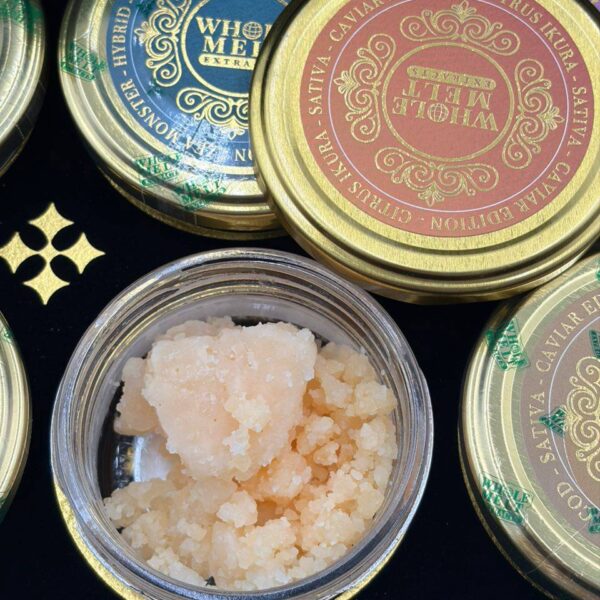
Wax concentrates typically vary in texture depending on how they are processed and cured. Some batches appear soft and pliable, while others may be slightly firmer or more crumbly. In many cases, a wax-style concentrate is designed to stay easy to handle without becoming overly sticky or runny.
Because consistency can shift with temperature, storage conditions often play a key role. When kept in warmer environments, the material may soften. However, when stored in cooler conditions, it may become more solid and easier to portion.
As a result, handling is usually adjusted based on environment and personal preference. In addition, simple tools are commonly used to manage small amounts for controlled use in compatible devices.
Aroma Profile and Sensory Notes
Wax concentrates are often noted for having a strong aroma due to the presence of preserved aromatic compounds. These scent profiles can range widely depending on the source material and extraction method used.
In many cases, the aroma may include layered notes that feel richer than standard dried plant material. However, intensity can vary significantly between batches.
Because of this variation, users often experience differences in scent strength and complexity. As a result, each batch may present its own unique sensory profile rather than a uniform one.
Stability and Storage Conditions
Proper storage is important for maintaining the quality of wax concentrates over time. Exposure to heat, light, and air can gradually change texture and aroma.
For this reason, concentrates are commonly stored in sealed containers placed in cool, dry environments. This helps slow down natural degradation and supports better long-term stability.
In addition, minimizing frequent exposure to open air can help preserve consistency. As a result, the material may maintain its intended texture and scent profile for a longer period.
Device Compatibility and Usage Context
Wax concentrates are generally used with specialized devices designed for thick extracts. These devices are built to handle higher-viscosity materials compared to standard vapor systems.
Because of this, compatibility is an important factor when working with wax products. Not all devices are suitable, and performance may vary depending on heating capability and airflow design.
As a result, users typically match the concentrate type with an appropriate device to ensure smoother operation.
Key Takeaway
Wax concentrates like the “Splitz Heat Wave Edition” style product are generally understood as dense, high-strength extracts with variable texture, strong aroma potential, and device-specific usage requirements. Their quality and behavior depend heavily on production method and storage conditions.






Reviews
There are no reviews yet.