
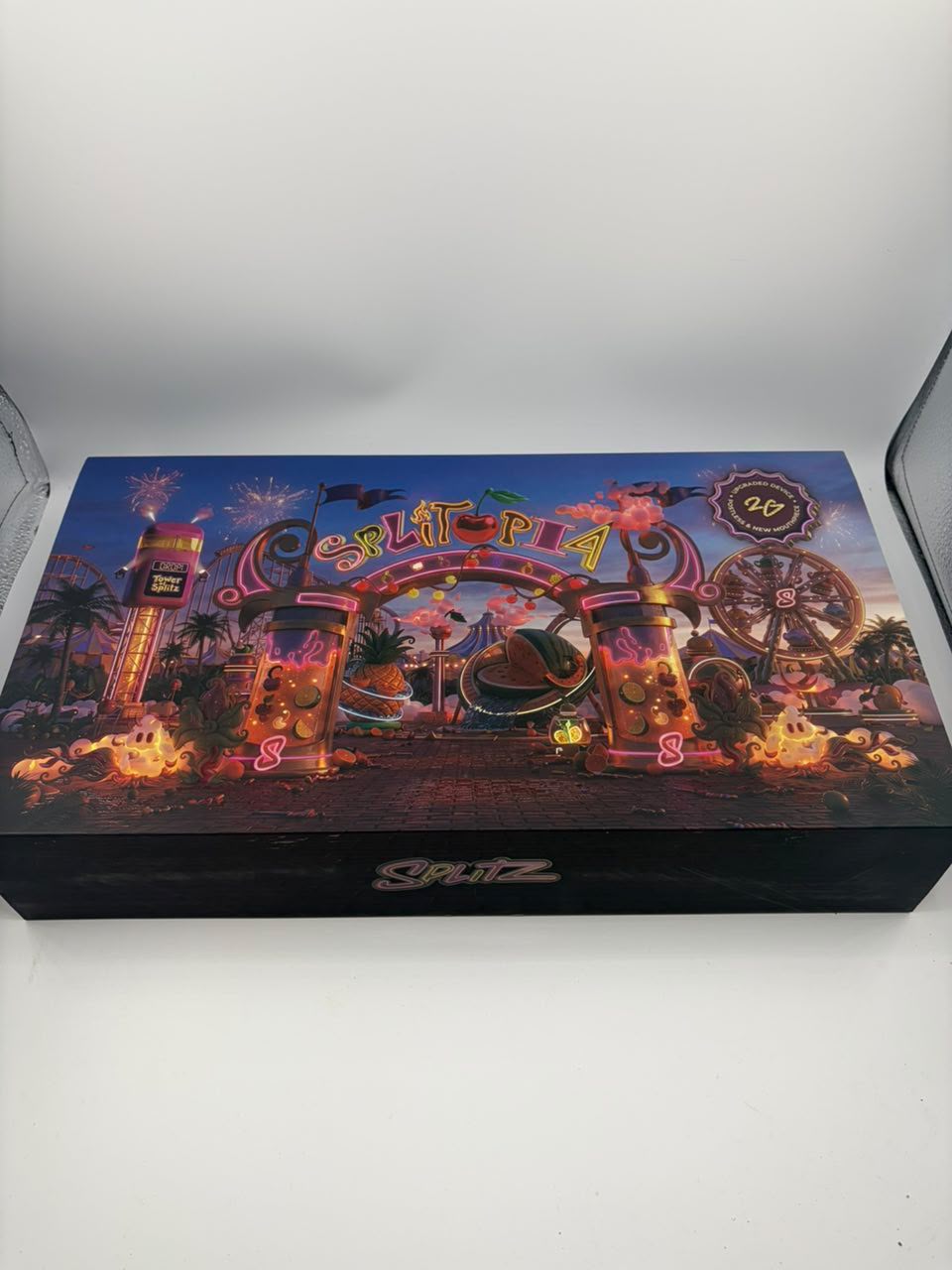
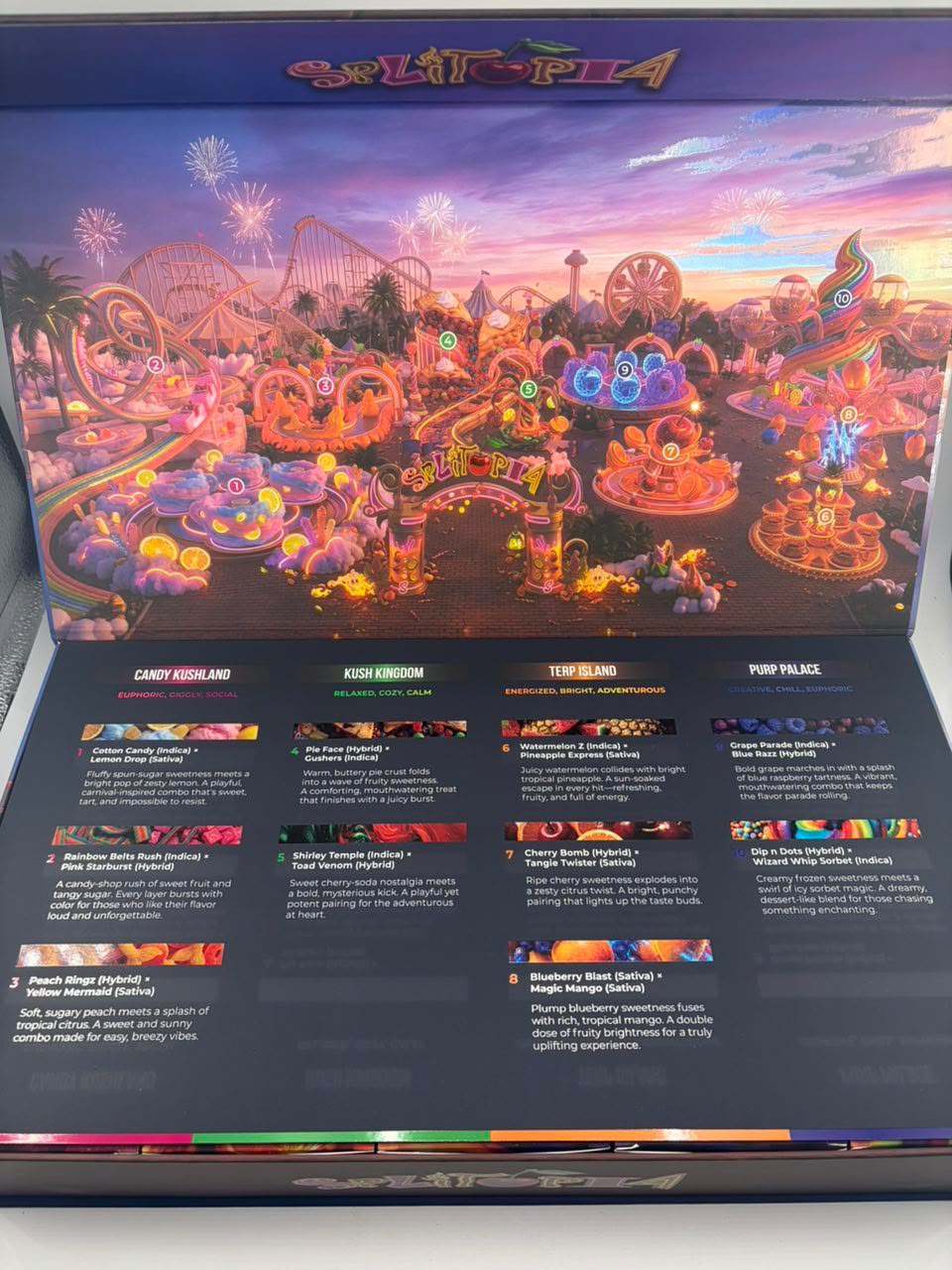
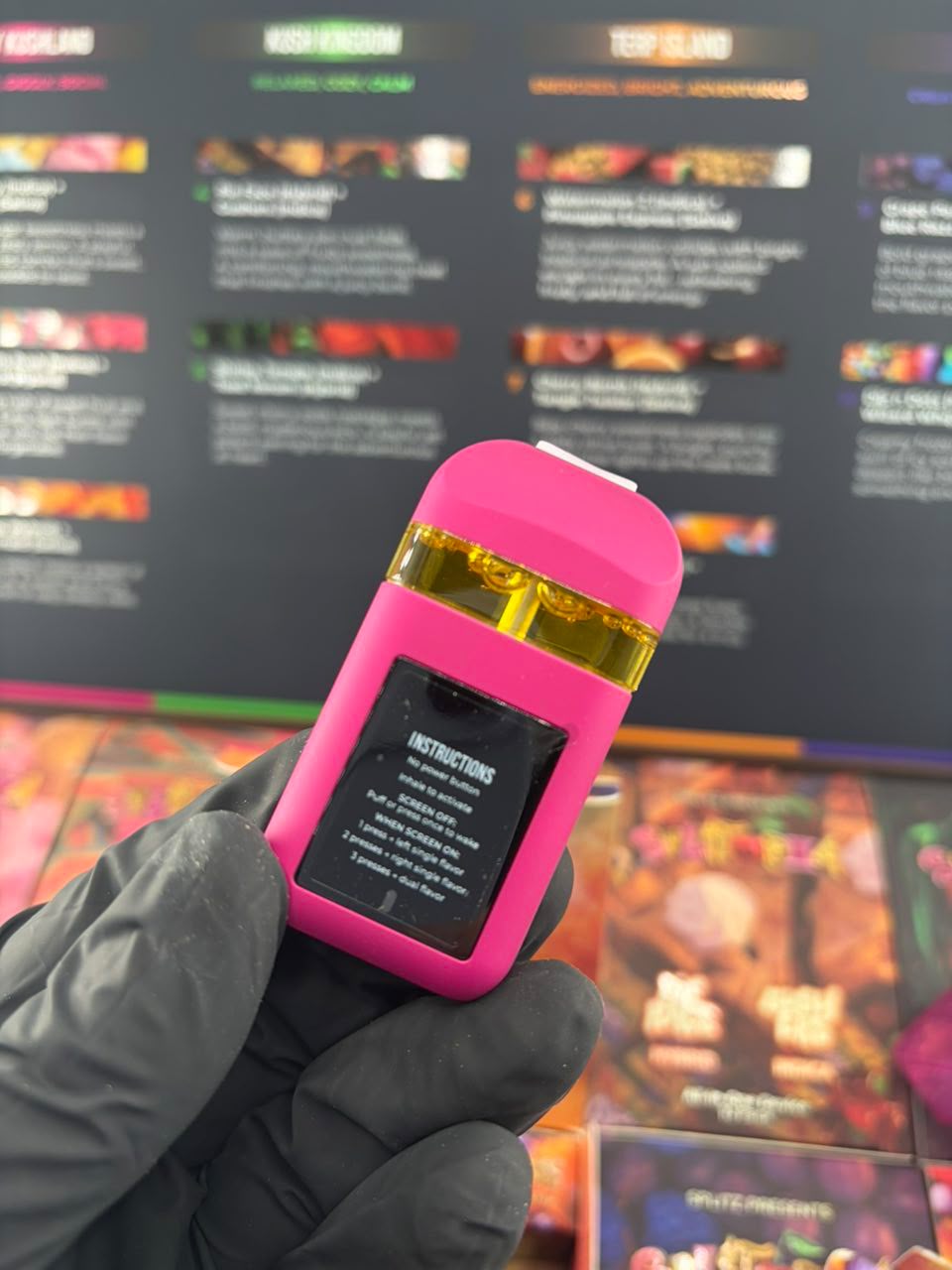
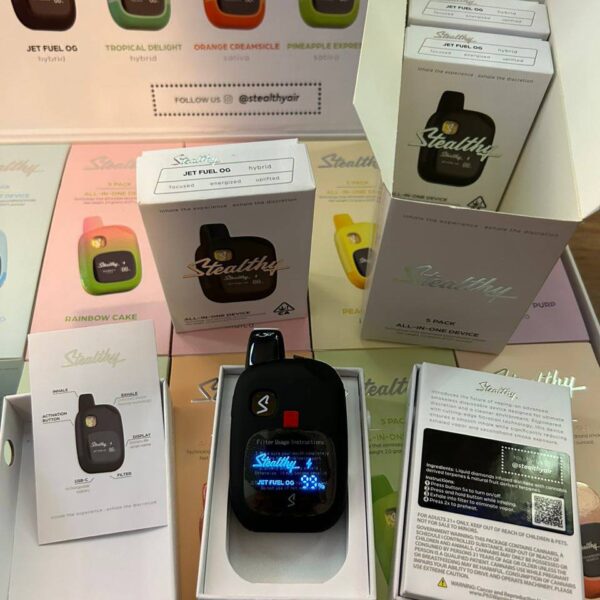
Splitopia Splitz Dual 2G Disposable – Product Overview, Dual-Format Design, Hardware Technology, and Construction Features
Introduction to Splitopia Splitz Dual 2G Disposable
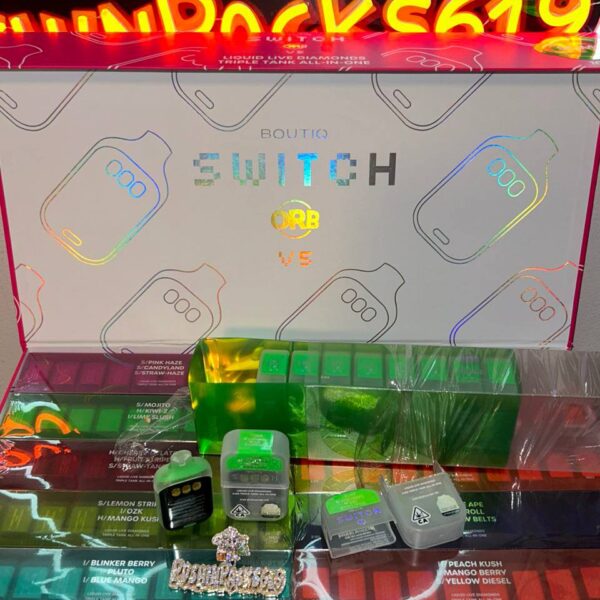
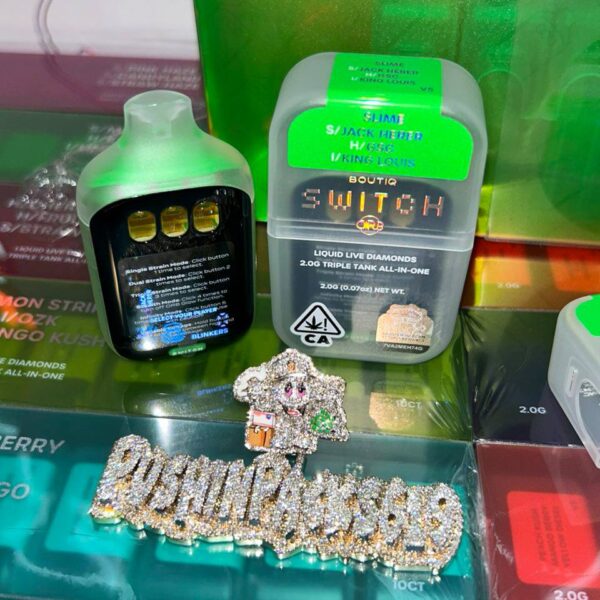
The splitopia splitz dual 2g disposable is a product identified within the modern disposable-device category. Its product name combines the Splitopia identity, the Splitz Dual designation, and a 2G classification, creating a distinctive product concept centered on integrated hardware and dual-format presentation.
Modern electronic-device development increasingly focuses on compact construction, integrated components, and recognizable exterior designs. Consequently, manufacturers must consider several engineering elements when developing products within this category. These include enclosure materials, internal component organization, electrical architecture, battery protection, and manufacturing consistency.
The Splitopia Splitz Dual 2G Disposable can be explored through these broader hardware considerations. In particular, its dual-format product identity provides an opportunity to examine how manufacturers approach compact product architecture and component integration.
However, the exact internal configuration, battery capacity, materials, and technical specifications should be confirmed through reliable manufacturer documentation rather than inferred from the product name.
Understanding the Splitopia Splitz Dual Product Concept
The Splitopia Splitz Dual 2G Disposable belongs to a product category characterized by enclosed electronic construction.
Unlike conventional electronic systems that contain multiple separate accessories, disposable-device concepts generally combine their principal components within one enclosure.
This creates a unified physical structure and gives manufacturers opportunities to develop distinctive exterior designs.
The product name contains three recognizable elements:
-
Splitopia: The product’s identifying brand name.
-
Splitz Dual: The identifying product variation.
-
2G: The product’s stated classification.
Together, these elements establish the product identity without independently confirming its technical specifications.
Furthermore, integrated construction introduces several important design considerations, including component positioning, material selection, enclosure dimensions, and electrical protection.
Exterior Design and Physical Construction
Exterior construction influences the appearance, structure, and physical protection of electronic devices.
For compact disposable products, the outer enclosure provides a protective boundary around the internal assembly. Additionally, it establishes the product’s dimensions, surface finish, and recognizable visual identity.
Manufacturers must consider several characteristics when developing an enclosure.
These include structural strength, material consistency, weight, surface quality, and resistance to ordinary handling.
Compact Enclosure Design
Compact enclosure design involves arranging internal components within a relatively limited physical space.
This requires careful planning because electronic assemblies must remain appropriately separated and protected.
Moreover, the exterior housing should provide sufficient structural support without introducing unnecessary bulk.
Product Appearance
Visual presentation contributes to product recognition.
Brand graphics, printed labels, packaging arrangements, and exterior finishes can distinguish one product variation from another.
However, appearance alone cannot establish product authenticity or manufacturing quality. Appropriate documentation remains essential.
Understanding the Splitz Dual Design Identity
The Splitz Dual designation is an important part of the product’s identity.
Dual-format concepts in electronic products can involve different component arrangements, configurations, or product presentations. Nevertheless, the precise meaning depends on the manufacturer’s design.
For this particular product, the name alone does not confirm the number of internal chambers, independent electronic systems, or specific component arrangements.
From an engineering perspective, dual-format concepts can introduce additional considerations.
These include:
-
Internal component organization.
-
Available enclosure space.
-
Electrical separation.
-
Structural stability.
-
Manufacturing consistency.
-
Product identification.
Consequently, accurate descriptions should distinguish the product’s naming convention from independently verified technical characteristics.
Integrated Hardware and Electronic Architecture
Electronic architecture provides the foundation for modern compact devices.
Depending on the manufacturer’s design, an integrated electronic assembly may contain a battery, circuit board, electrical contacts, protective components, and supporting structural materials.
Each component serves a particular function within the overall assembly.
Internal Component Organization
Component organization determines how different electronic elements fit inside the enclosure.
Manufacturers must consider physical dimensions, electrical connections, insulation, and structural support.
Furthermore, appropriate component positioning helps maintain manufacturing consistency.
Electronic Control Systems
Electronic control systems coordinate electrical functions within an integrated product.
Depending on the design, they may incorporate sensors, circuit boards, and protective electronic components.
However, the precise configuration of Splitopia Splitz Dual 2G requires manufacturer verification.
Battery Technology and Electrical Safety
Battery technology plays an important role in portable electronic-device development.
A battery stores electrical energy and provides power to the electronic assembly. Therefore, its physical dimensions, electrical characteristics, and protection requirements influence the overall design.
Important battery specifications include:
-
Battery chemistry.
-
Energy capacity.
-
Voltage characteristics.
-
Physical dimensions.
-
Temperature limits.
-
Electrical protection.
-
Applicable safety certifications.
The 2G product designation should not be interpreted as confirmation of battery capacity.
Additionally, battery-powered products require appropriate handling. Excessive heat, physical damage, and unauthorized modifications may create safety risks.
A device showing unusual heat, swelling, leakage, or visible damage should not be used.
Portability and Compact Construction
Portability remains an important consideration in modern electronic-device design.
Compact products can occupy less physical space than larger electronic assemblies. Moreover, integrated construction can reduce the need for separate external components.
However, portability does not eliminate the importance of proper storage.
Electronic products should be protected from:
-
Excessive temperatures.
-
Direct sunlight.
-
Moisture and water exposure.
-
Crushing pressure.
-
Physical impact.
-
Unauthorized disassembly.
These precautions help protect the physical integrity of enclosed electronic assemblies.
Material Selection and Manufacturing Quality
Material selection influences the durability, appearance, and manufacturing requirements of electronic products.
Common electronic-device construction materials include engineered plastics, metals, insulating materials, and electronic substrates.
Manufacturers evaluate these materials according to strength, weight, thermal stability, and compatibility with internal components.
Furthermore, quality-control procedures help identify manufacturing inconsistencies before products enter distribution.
Important inspection considerations include exterior condition, component protection, packaging accuracy, labeling, and electrical safety documentation.
Packaging and Product Identification
Packaging provides an important source of product information.
For Splitopia Splitz Dual 2G, relevant packaging information should clearly identify the product variation and provide appropriate manufacturer details.
Additionally, batch identification and applicable safety warnings can support product traceability.
A reliable product-verification process should examine:
-
Product identification.
-
Manufacturer information.
-
Batch documentation.
-
Packaging integrity.
-
Relevant compliance information.
-
Accurate technical specifications.
Attractive packaging should never be treated as independent proof of authenticity.
Responsible Electronic Product Management
Disposable electronic products require appropriate end-of-life management.
Unlike conventional electronics designed for component replacement, disposable systems generally incorporate their principal components into one assembly.
Consequently, repairability may be limited.
Battery-containing products should not be burned, crushed, punctured, or dismantled for informal material recovery.
Instead, appropriate electronic-waste collection and battery-recycling services should be used where available.
Responsible disposal helps reduce environmental contamination while supporting better management of electronic materials.
Frequently Asked Questions
What is Splitopia Splitz Dual 2G Disposable?
It is a product identified within the disposable-device category, with a product identity that can be examined through its exterior design, integrated hardware, and construction characteristics.
What does Splitz Dual mean?
Splitz Dual forms part of the product name. Its exact technical meaning requires confirmation from manufacturer documentation.
What does 2G represent?
It identifies the stated product variation. It does not independently establish battery capacity or another electronic specification.
What battery does the product contain?
The precise battery chemistry and capacity require verified technical information.
What materials are used in its construction?
The exact materials have not been independently established. Manufacturer specifications are necessary for accurate identification.
How should the product be stored?
Keep electronic products away from excessive heat, moisture, direct sunlight, and physical damage.
Can the internal components be replaced?
Disposable electronic systems generally do not feature conventional user-replaceable internal assemblies. Unauthorized disassembly can introduce safety risks.
How should it be disposed of?
Use appropriate electronic-waste collection or battery-recycling facilities where available.
Product Overview
The Splitopia Splitz Dual 2G Disposable represents a distinctive product identity within the broader category of integrated disposable electronics.
Its design concept provides several important areas for examination, including exterior construction, dual-format product identification, internal component organization, battery architecture, packaging, and manufacturing quality.
Ultimately, understanding electronic products requires looking beyond exterior appearance. Verified technical specifications, reliable manufacturer information, appropriate safety documentation, and responsible disposal practices provide a stronger foundation for evaluating product characteristics.
Splitopia Splitz Dual 2G Disposable – A comprehensive hardware-focused product overview covering dual-format design identity, integrated electronics, compact construction, material considerations, and responsible product management.
The Evolution of Dual-Format Disposable Device Design
The development of modern electronic products continues to introduce new approaches to compact construction and integrated hardware. Manufacturers explore different ways to organize internal components while maintaining recognizable exterior designs. Consequently, dual-format product concepts have become an interesting part of contemporary electronic-device design.
The Splitopia Splitz Dual 2G Disposable carries this dual-format identity through its product naming and presentation. Although its exact internal configuration requires manufacturer verification, the product can be examined within the broader development of integrated electronic systems.
Modern product engineering involves balancing several important requirements. These include enclosure dimensions, component placement, material compatibility, electrical organization, and manufacturing consistency.
Furthermore, manufacturers must consider how different components interact within a shared enclosure. A well-organized design should provide appropriate separation, structural protection, and consistent assembly standards.
Compact Hardware Integration
Compact hardware integration involves placing multiple electronic components within one coordinated structure. This approach can reduce the need for separate external assemblies while creating a unified product appearance.
However, integration requires careful engineering. Each component must occupy an appropriate position, and the surrounding materials must provide sufficient structural support.
Additionally, manufacturers must consider electrical insulation and temperature-related requirements. These factors contribute to the overall reliability and safety considerations of an electronic product.
Product Ergonomics and Exterior Handling
Ergonomics refers to how a product’s physical design relates to ordinary human handling. In electronic-device manufacturing, ergonomic considerations include dimensions, weight distribution, surface texture, and overall shape.
A balanced enclosure can create a more consistent physical experience during ordinary handling. Therefore, manufacturers often evaluate exterior proportions alongside internal component requirements.
The Splitopia Splitz Dual 2G product identity can be considered within this broader design approach.
Shape and Physical Proportions
The shape of an electronic enclosure influences its physical profile. Compact proportions can help manufacturers organize internal components without creating unnecessarily large exterior structures.
Nevertheless, the exact dimensions of this product should be confirmed through official specifications.
Surface Finish and Material Consistency
Surface finishing contributes to product appearance and material protection. Depending on the manufacturing process, an enclosure may feature smooth, textured, or printed exterior surfaces.
Moreover, consistent finishing helps maintain a uniform appearance across different production batches.
Material quality should also be considered because exterior components must withstand ordinary handling and appropriate storage conditions.
Electronic Component Protection
Component protection is an essential consideration in integrated electronic-device construction.
Internal assemblies may contain sensitive electronic elements that require protection against moisture, physical pressure, and unintended electrical contact.
Therefore, enclosure design should account for both internal organization and external environmental conditions.
Manufacturers may evaluate several protective characteristics:
-
Structural enclosure strength.
-
Electrical insulation.
-
Component separation.
-
Material compatibility.
-
Manufacturing consistency.
-
Appropriate temperature limits.
Furthermore, product inspection can help identify visible structural irregularities before distribution.
Consumers should avoid using products that display cracks, leakage, unusual deformation, or signs of electrical damage.
Product Identification and Brand Presentation
Product identification helps distinguish individual electronic products within a broader catalog.
For Splitopia Splitz Dual 2G, the combination of the Splitopia name, Splitz Dual designation, and 2G classification creates a recognizable product identity.
Brand presentation may involve several elements, including exterior graphics, packaging layouts, printed information, and product-specific labeling.
However, visual identity should be supported by accurate documentation.
For example, product descriptions should not present unverified battery measurements, internal configurations, or manufacturing certifications as established facts.
Similarly, packaging appearance alone cannot confirm authenticity.
A reliable identification process should consider manufacturer information, batch details, authorized distribution records, and applicable product documentation.
Manufacturing Processes and Assembly Consistency
Manufacturing consistency is important when producing integrated electronic products.
A structured production process helps maintain consistent component placement, enclosure dimensions, material quality, and exterior finishing.
Moreover, inspection procedures can identify irregularities before products reach distribution channels.
Component Inspection
Electronic components should meet relevant manufacturing requirements before assembly.
Inspection may involve checking component identification, physical condition, compatibility, and applicable electrical specifications.
Enclosure Assembly
The enclosure forms the physical structure surrounding internal components.
Manufacturing procedures should ensure that materials fit appropriately and that the finished structure does not show obvious defects.
Packaging Verification
Packaging inspection helps maintain accurate product identification and traceability.
Furthermore, labels should provide relevant information without exaggerating technical characteristics.
These procedures contribute to a more organized approach to electronic-device manufacturing.
Technology Trends in Compact Electronic Products
Compact electronic technology continues to develop across several industries.
Portable electronics, personal accessories, and integrated consumer devices demonstrate how manufacturers combine multiple components within smaller physical structures.
Several broader trends influence this development.
Miniaturization: Manufacturers increasingly explore smaller electronic components and more compact assembly arrangements.
Material innovation: New material combinations can offer different structural and manufacturing characteristics.
Integrated architecture: Combining components within one enclosure can simplify exterior construction.
Product identification: Clear labeling and traceability systems support more reliable product management.
Environmental responsibility: Manufacturers face growing pressure to consider battery recovery, material recycling, and electronic-waste reduction.
Consequently, modern product development involves more than appearance. It requires consideration of manufacturing, safety, documentation, and environmental impact.
Storage and Product Preservation
Proper storage helps protect electronic products against avoidable physical and environmental damage.
For enclosed battery-powered products, environmental conditions can influence the integrity of both exterior and internal materials.
Excessive temperatures may affect battery components, while moisture can introduce risks to electronic assemblies.
For this reason, products should be kept in suitable conditions according to their manufacturer’s instructions.
Additional precautions include protecting packaging from crushing, avoiding prolonged exposure to sunlight, and keeping electronic products away from children and pets.
Furthermore, products should not be opened or modified to investigate their internal construction.
A damaged product should be isolated from other materials and handled according to appropriate battery-safety guidance.
Product Authenticity and Distribution Transparency
Product authenticity is an important consideration in markets where branded electronic products circulate through different distribution channels.
Similar packaging designs and product names can sometimes make identification difficult.
Therefore, distributors should rely on appropriate verification procedures rather than exterior appearance alone.
Useful verification information may include:
-
Official manufacturer identification.
-
Authorized distributor information.
-
Batch or production details.
-
Consistent product labeling.
-
Applicable safety documentation.
-
Verifiable technical specifications.
Additionally, accurate product records help support distribution transparency.
A responsible product listing should clearly separate confirmed specifications from general product-category information.
This distinction improves the quality of product information and reduces misleading descriptions.
Environmental Considerations and Electronic Waste
Disposable electronic products create environmental-management challenges because their components are generally integrated into one assembly.
Although compact construction can simplify product presentation, it may also make individual component recovery more difficult.
Battery-containing products require particular attention during disposal.
For example, damaged batteries may create fire hazards when exposed to excessive heat, physical pressure, or inappropriate handling.
Consequently, electronic products should be directed toward suitable collection and recycling services where available.
Responsible disposal also helps prevent battery materials and electronic components from entering unsuitable waste streams.
Manufacturers and distributors can support better environmental practices by providing clear disposal information and encouraging appropriate recycling arrangements.
Understanding the Importance of Product Specifications
Technical specifications help distinguish confirmed product characteristics from assumptions.
For the Splitopia Splitz Dual 2G Disposable, several details should be checked against reliable documentation before publication.
These include:
| Specification | Information required |
|---|---|
| Product name | Splitopia Splitz Dual 2G |
| Product category | Disposable electronic-device category |
| Product designation | Dual-format identity |
| Battery capacity | Manufacturer confirmation required |
| Battery chemistry | Manufacturer confirmation required |
| Exterior materials | Manufacturer confirmation required |
| Internal configuration | Manufacturer confirmation required |
| Dimensions | Manufacturer confirmation required |
| Safety certification | Independent verification required |
Accurate specifications improve product transparency and make descriptions more useful.
Furthermore, distributors should avoid inventing measurements or technical claims simply to make a listing appear more detailed.
Frequently Asked Questions About Splitopia Splitz Dual 2G
What makes Splitopia Splitz Dual 2G distinctive?
Its identifying product name combines the Splitopia brand identity with the Splitz Dual designation and 2G classification. These elements distinguish it within the product category.
Is Splitopia Splitz Dual a dual-format product?
The product name indicates a dual-format identity. However, its exact internal arrangement requires manufacturer documentation.
What does the 2G designation mean?
It identifies the stated product variation. It should not be interpreted as a confirmed battery specification.
What type of construction does the product use?
It belongs to the broader category of integrated disposable electronic products. Exact enclosure materials and internal components require verification.
What should distributors check before listing it?
Distributors should verify the product name, manufacturer details, technical specifications, batch information, packaging, and applicable safety documentation.
Does packaging establish authenticity?
No. Packaging is one identification element, but authenticity requires appropriate manufacturer or authorized-distributor verification.
How should electronic waste be managed?
Battery-containing electronic products should be handled through suitable electronic-waste collection or recycling services rather than burned or dismantled.
Final Product Overview and Design Perspective
The Splitopia Splitz Dual 2G Disposable represents a recognizable product concept within the broader disposable electronic-device category.
Its dual-format identity, compact-device classification, and integrated-product presentation provide several useful areas for examining modern electronic design.
splitopia splitz dual 2g disposable splitopia splitz dual 2g disposable splitopia splitz dual 2g disposable splitopia splitz dual 2g disposable splitopia splitz dual 2g disposable splitopia splitz dual 2g disposable splitopia splitz dual 2g disposable splitopia splitz dual 2g disposable splitopia splitz dual 2g disposable splitopia splitz dual 2g disposable splitopia splitz dual 2g disposable splitopia splitz dual 2g disposable splitopia splitz dual 2g disposable splitopia splitz dual 2g disposable splitopia splitz dual 2g disposable
Throughout this overview, particular attention has been given to exterior construction, hardware integration, electronic component protection, material selection, manufacturing consistency, product identification, and environmental responsibility.
Ultimately, a dependable product description should communicate what is known while avoiding unsupported technical claims.
splitopia splitz dual 2g disposable splitopia splitz dual 2g disposable splitopia splitz dual 2g disposable splitopia splitz dual 2g disposable splitopia splitz dual 2g disposable splitopia splitz dual 2g disposable splitopia splitz dual 2g disposable splitopia splitz dual 2g disposable splitopia splitz dual 2g disposable splitopia splitz dual 2g disposable splitopia splitz dual 2g disposable splitopia splitz dual 2g disposable splitopia splitz dual 2g disposable splitopia splitz dual 2g disposable splitopia splitz dual 2g disposable
Verified specifications and manufacturer documentation remain essential when evaluating the actual construction and characteristics of a particular model.
Splitopia Splitz Dual 2G Disposable – A comprehensive product overview exploring dual-format design identity, compact electronic architecture, exterior construction, component organization, manufacturing considerations, and responsible product management.







Reviews
There are no reviews yet.