
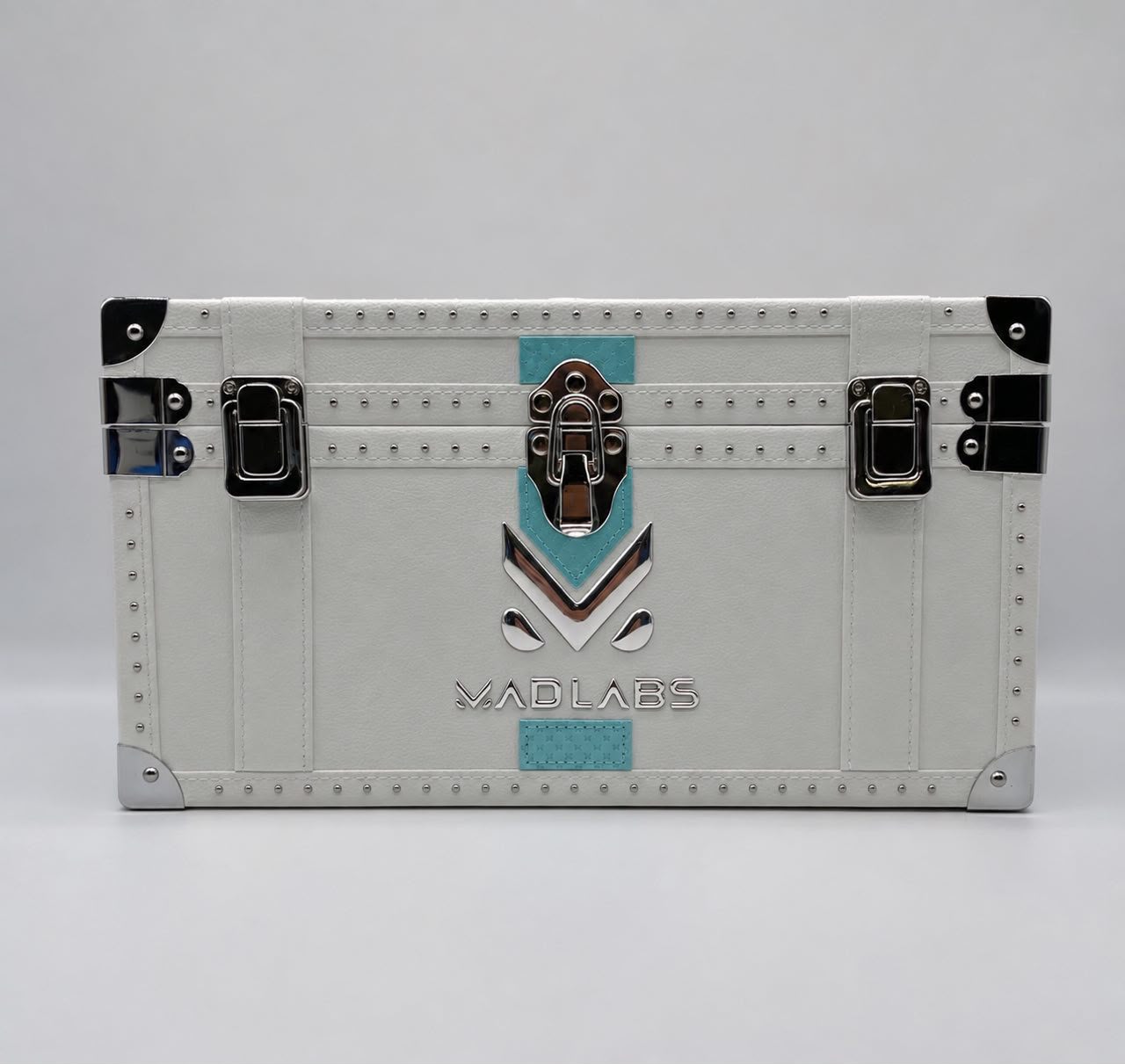




Mad Labs 3G Disposable – Product Design, Hardware Features, and Technical Overview
Introduction to Mad Labs 3G Disposable
The mad labs 3g disposable is a product name associated with a compact, all-in-one electronic device. Its 3G designation forms part of the advertised product identity, while the Mad Labs name distinguishes it within a wider range of disposable-device products.
This product overview examines the device from a hardware and product-information perspective. It covers exterior design, portability, electronic components, battery documentation, packaging, quality considerations, and responsible disposal.
A reliable product description should distinguish verified specifications from general product-category information. For example, exact battery capacity, charging compatibility, internal construction, dimensions, and materials should be confirmed through manufacturer documentation rather than assumed from the product name.
Understanding the Mad Labs 3G Product Identity
Product names help customers identify individual models within a larger catalog. In this case, Mad Labs identifies the product range, while 3G represents its advertised capacity designation.
The designation should be presented accurately. It should not be confused with battery capacity, cannabinoid concentration, or an independently verified measurement of internal components.
For an online product listing, the name should appear consistently in the page title, opening description, product image captions, and relevant headings.
This consistency also helps retailers organize similar products without mixing information between different editions.
Compact All-in-One Device Design
All-in-one electronic devices combine their main components within a single housing. This creates a compact product format that does not require several separate external accessories.
The exterior enclosure provides the visible structure and protects the internal assembly. It also carries the product branding and other identifying information.
Although compact construction is common across this product category, exact measurements and materials should be confirmed for the specific Mad Labs edition.
A detailed inspection can consider:
-
Overall exterior shape.
-
Housing condition.
-
Printed product identification.
-
Visible seams and connections.
-
Packaging dimensions.
-
Manufacturer-provided construction details.
These characteristics provide a useful foundation for an objective product description.

mad labs 3g disposable
Exterior Appearance and Branding
Product appearance plays an important role in retail identification. Branding, printed graphics, color choices, and packaging artwork help distinguish one model from another.
The Mad Labs name provides the central visual identity of this product. Individual versions may have different artwork or exterior details, so product photographs should match the exact edition being listed.
A good product page should include clear images rather than relying entirely on general descriptions.
Product Housing
The housing surrounds the device’s internal assembly. Its physical condition can be assessed through visual inspection, although appearance alone cannot establish the quality of internal components.
Branding and Labels
Printed branding helps identify the product. Labels may also contain information about capacity, manufacturer details, warnings, and batch identification.
Overall Presentation
A consistent visual presentation helps retailers organize their catalogs and allows readers to distinguish similar products more easily.
Understanding the 3G Designation
The 3G designation is a prominent part of the Mad Labs 3G Disposable product name.
However, a quantity printed in a product name does not independently establish the full composition or laboratory-tested characteristics of the contents.
A responsible product listing should reproduce the advertised designation accurately while directing readers to the actual packaging and applicable product documentation for further details.
This is especially important when similar products have different capacity labels.

mad labs 3g disposable
Rechargeable Device Information
Some disposable electronic devices include rechargeable power systems. Whether a particular Mad Labs 3G edition has this feature should be confirmed using its physical packaging or manufacturer documentation.
If rechargeable functionality is confirmed, the product listing should provide only verified details about the supported charging connection and battery specifications.
Battery capacity, charging duration, and expected battery life should never be estimated from appearance alone.
Battery Documentation
A useful technical specification sheet should identify the battery rating, supported charging input, and applicable manufacturer instructions.
Electrical Safety
Rechargeable electronic products require appropriate handling. A damaged, swollen, leaking, or unusually hot device should not be charged or modified.
Users should follow the manufacturer’s instructions and avoid exposing electronic devices to excessive heat or moisture.
Internal Component Organization
The internal organization of an electronic device determines how its major components fit within the housing.
A typical all-in-one electronic product may contain a power system, electrical connections, control components, and product-specific assemblies.
Nevertheless, the precise architecture of the Mad Labs 3G model should not be assumed without reliable technical information.
For accurate documentation, each internal feature should be supported by a manufacturer specification or suitable inspection record.
mad labs 3g disposable
This approach avoids presenting generic component descriptions as confirmed details of a particular model.
Product Quality and Manufacturing Standards
Manufacturing consistency is important when evaluating electronic products. Variations in assembly, housing condition, labeling, and component quality can affect the reliability of a finished unit.
A professional product record should identify the responsible manufacturer or supplier wherever that information is available.
Quality documentation may include:
-
Product identification records.
-
Batch or lot information.
-
Supplier documentation.
-
Applicable safety instructions.
-
Manufacturing information.
-
Relevant testing records.
These records provide more meaningful evidence than packaging appearance alone.
Packaging and Product Presentation
Packaging helps identify the product and communicate important information.
A Mad Labs 3G product listing should use photographs of the exact edition rather than images from unrelated versions.
A useful packaging review should consider:
-
Product name.
-
Advertised capacity.
-
Edition or variant.
-
Manufacturer information.
-
Batch identification, where provided.
-
Applicable warnings.
-
Storage and handling instructions.
Clear packaging photographs can help readers compare the online listing with the physical product.
Portability and Physical Handling
Compact electronic products are generally designed around a self-contained exterior format. Their physical dimensions, weight, and shape determine how they fit within a storage or transport arrangement.
For the Mad Labs 3G Disposable, exact dimensions should be measured or obtained from reliable specifications before being published.
A product page can still discuss portability as a general design category without inventing measurements.
For example, retailers can document the product’s actual height, width, depth, and weight when those details are available.
Product Identification and Authenticity
Authenticity is an important consideration when purchasing branded electronic products.
Similar packaging designs and copied brand graphics can make it difficult to distinguish genuine products from unauthorized alternatives.
Retailers should maintain traceable purchasing records and obtain products through reliable suppliers.
Where available, product identification can be supported by:
-
Manufacturer details.
-
Supplier invoices.
-
Batch numbers.
-
Verification information.
-
Original packaging.
-
Relevant product documentation.
A logo, barcode, or QR code alone does not guarantee authenticity. Any verification claim should be supported by a reliable source.
Comparing Mad Labs 3G With Other Models
Comparing electronic products requires consistent information. Product names alone do not reveal differences in battery design, internal construction, or technical performance.
A useful comparison should focus on confirmed specifications.
| Comparison category | Information to examine |
|---|---|
| Product identity | Brand and exact model |
| Advertised capacity | Printed product designation |
| Exterior design | Verified dimensions and materials |
| Power system | Documented battery information |
| Charging | Confirmed connection and requirements |
| Packaging | Edition and identification details |
| Manufacturer | Responsible-party information |
| Documentation | Available testing and safety records |
This approach allows product pages to remain informative without relying on unsupported promotional statements.
Storage and Product Care
Storage instructions should follow the manufacturer’s recommendations. Electronic devices should generally be protected from excessive heat, moisture, and physical damage.
Products containing rechargeable batteries also require careful handling.
A damaged device should not be opened, punctured, or modified. If a device becomes unusually hot, swollen, or visibly damaged, stop handling or charging it and follow appropriate safety guidance.
Retailers should also make sure that storage information matches the specific product documentation.
Environmental Responsibility
Disposable electronic products can contain several material types, including plastics, metals, electrical components, and batteries.
These materials may require different disposal procedures.
Therefore, electronic disposable products should not automatically be placed in ordinary household waste. Local electronic-waste and battery-disposal rules should guide their final handling.
Retailers can make product pages more informative by including a short section about responsible disposal.
They should avoid describing a product as recyclable, biodegradable, or environmentally friendly unless reliable evidence supports those statements.
Product Photography and Online Presentation
Good product photography improves product identification and makes an online listing easier to understand.
For a Mad Labs 3G Disposable page, a useful image collection may include:
-
A clear front-facing product image.
-
A rear packaging photograph.
-
A side view showing the exterior profile.
-
A close-up of product identification.
-
A photograph of available documentation.
Images should represent the exact edition being described.
Furthermore, image captions should explain what each photograph shows rather than make unsupported claims about hidden internal features.
Product Information for Retailers
Retailers need accurate product records to maintain consistent catalogs.
When a new Mad Labs edition enters inventory, its details should be checked before publication.
A useful record can include the exact product name, advertised designation, packaging images, manufacturer information, available technical specifications, and applicable warnings.
This information can also help prevent incorrect descriptions from being copied across similar product pages.
When the manufacturer releases updated packaging or a revised model, retailers should review the existing description and update any details that no longer match.
Frequently Asked Questions
What is the Mad Labs 3G Disposable?
It is a product marketed under the Mad Labs name with a 3G designation. It belongs to the broader category of compact disposable electronic products.
What does 3G mean?
The 3G designation is an advertised capacity label associated with the product name. It does not describe battery capacity or independently establish cannabinoid concentration.
What makes the Mad Labs product different?
Its brand identity, product designation, and specific edition distinguish it within the wider product category. Further technical differences should be established through verified specifications.
Is the device rechargeable?
Rechargeable status should be checked against the exact edition’s packaging or manufacturer documentation before it is stated as a confirmed feature.
What battery does it contain?
The exact battery type and capacity require reliable technical documentation. They should not be estimated from product photographs.
Are all Mad Labs 3G editions identical?
Not necessarily. Packaging, exterior details, and product documentation may differ between editions.
How can the exact product be identified?
Check the complete product name, packaging, variant information, and available batch or manufacturer details.
How should damaged electronic products be handled?
Do not charge, puncture, dismantle, or modify a damaged sealed device. Follow the manufacturer’s safety instructions and local electronic-waste guidance.
Why are product specifications important?
Verified specifications help readers understand the product accurately and allow retailers to make fair comparisons between different models.
Product Overview
The Mad Labs 3G Disposable has a recognizable product identity built around its brand name and advertised capacity designation. Its compact electronic-device category provides several useful areas for product documentation, including exterior construction, packaging, component organization, battery information, and manufacturing records.
A strong product description should do more than repeat the product name. It should provide clear identification, explain relevant hardware terminology, and distinguish confirmed specifications from information that still requires verification.
For retailers, this creates a more consistent product catalog. For readers, it provides a clearer understanding of the product and its available documentation.
Ultimately, accurate information is the foundation of a useful product page. By combining organized headings, straightforward explanations, and verified product details, the Mad Labs 3G Disposable listing can remain informative, readable, and professionally presented.
MAD Labs 3G Disposable – Product Overview, Design Features, Hardware Technology, and Device Information
The MAD Labs 3G Disposable represents a modern disposable-device concept built around portability, compact construction, and convenient hardware design. Its 3G designation provides a recognizable product identity, while its overall concept focuses on the combination of device structure, integrated components, and contemporary styling.
As disposable technology continues to evolve, manufacturers explore different ways to combine compact dimensions with practical hardware features. Consequently, modern devices often emphasize simplified construction, lightweight materials, and integrated components. MAD Labs 3G Disposable fits into this broader product category, offering a design that can be examined through its physical construction, exterior appearance, component arrangement, and general technology considerations.
Moreover, understanding the construction of a disposable device requires more than looking at its exterior. Internal components, battery architecture, airflow pathways, electrical connections, and material selection all contribute to the overall engineering concept. Each component serves a particular function, and together they determine how the device is assembled and maintained throughout its intended lifecycle.
This product overview explores the MAD Labs 3G Disposable from an informational and hardware-focused perspective. It examines its design identity, construction considerations, integrated technology, storage requirements, quality-control factors, and general disposable-device characteristics.
Understanding the MAD Labs 3G Product Concept
The MAD Labs 3G Disposable belongs to a product category characterized by compact, integrated electronic hardware. Unlike traditional electronic devices that rely on multiple external accessories, disposable systems generally combine their principal components within one enclosure.
This arrangement creates a recognizable product format. Instead of requiring separate hardware assemblies, the device incorporates its major structural elements into a unified design.
Furthermore, the 3G designation distinguishes the product within the broader MAD Labs product identity. However, the designation alone should not be treated as confirmation of battery capacity, internal measurements, or specific technical performance. Those details require verified manufacturer specifications.
The product concept can therefore be understood through several important elements:
-
Compact exterior construction.
-
Integrated electronic components.
-
Enclosed internal architecture.
-
Portable physical dimensions.
-
Distinctive product identification.
-
Disposable-device construction.
-
Simplified external component arrangement.
Together, these characteristics describe the general hardware category without assuming technical specifications that have not been independently established.
Exterior Design and Physical Construction
Exterior construction plays an important role in how consumers recognize electronic devices. The enclosure protects internal components while establishing the product’s physical appearance.
For a disposable device such as MAD Labs 3G, the outer housing forms the primary structural boundary. It separates the internal electronics from the surrounding environment and provides the foundation for the product’s overall shape.
Additionally, enclosure design influences several practical considerations, including material durability, component protection, handling characteristics, and manufacturing consistency.
A well-designed enclosure should maintain a balanced relationship between its dimensions and internal layout. Excessive exterior material can increase overall size, while insufficient structural support may leave internal components vulnerable to physical damage.
Therefore, manufacturers must consider both appearance and structural requirements during product development.
Compact Structural Architecture
Compact electronic architecture involves arranging multiple components within a limited physical space. This process requires careful consideration of component dimensions, electrical connections, insulation, and structural support.
In a disposable-device design, internal organization becomes particularly important because the enclosure typically remains closed during its intended service period.
Moreover, compact construction can reduce the number of externally visible mechanical connections. This creates a cleaner exterior appearance and gives the device a unified physical identity.
Material Selection
Material selection influences the durability and appearance of an electronic enclosure.
Manufacturers commonly evaluate materials according to several characteristics:
-
Structural strength.
-
Resistance to ordinary handling.
-
Surface finish.
-
Weight.
-
Thermal stability.
-
Manufacturing consistency.
However, the precise materials used in MAD Labs 3G should be confirmed through official product documentation rather than assumed from its appearance.
Integrated Electronic Components
Electronic components form the foundation of modern disposable-device architecture. Although individual designs vary, integrated systems generally contain several important hardware elements.
These may include a battery, electronic control circuitry, electrical connections, protective components, and an enclosed internal assembly.
Each element has a specific engineering purpose.
Battery Architecture
Battery architecture represents an important part of compact electronic-device construction. A battery provides stored electrical energy, while supporting circuitry manages electrical distribution.
Battery selection involves several technical considerations:
-
Physical dimensions.
-
Energy capacity.
-
Voltage characteristics.
-
Electrical protection.
-
Temperature limits.
-
Manufacturing quality.
Nevertheless, the exact battery capacity of MAD Labs 3G should not be estimated from the product name.
Reliable technical documentation should identify the battery specifications, manufacturer information, and applicable safety requirements.
Electronic Control Systems
Electronic control systems coordinate electrical functions within an integrated device.
Depending on the design, these systems may contain circuit boards, sensors, protective components, and electrical connections.
Additionally, manufacturers must consider the relationship between component placement and enclosure dimensions. Poorly organized internal architecture can increase manufacturing complexity and create unnecessary structural pressure.
For this reason, electronic integration requires careful planning and appropriate quality-control procedures.
Airflow and Internal Pathway Design
Airflow architecture is another technical subject associated with enclosed electronic devices.
Internal pathways must be considered alongside component placement because the arrangement of different internal elements can influence available space and structural organization.
However, a product’s actual airflow configuration cannot be established through its name or exterior appearance alone.
For accurate technical information, manufacturer documentation should identify the relevant design characteristics.
In addition, product inspection should consider whether the enclosure remains intact and whether any visible damage, leakage, unusual odor, or other irregularity is present.
A damaged or malfunctioning device should not be used.
Portability and Everyday Storage Considerations
Portability is an important feature of compact electronic products. Smaller enclosures generally occupy less physical space than larger electronic assemblies.
Nevertheless, portability does not eliminate the need for appropriate storage.
Electronic devices contain materials and components that may be affected by excessive heat, moisture, direct sunlight, or physical pressure.
Therefore, suitable storage conditions should protect the enclosure and reduce unnecessary environmental exposure.
Recommended general precautions include:
-
Keep the device away from excessive heat.
-
Avoid prolonged exposure to direct sunlight.
-
Protect the exterior from crushing pressure.
-
Keep the device away from water and moisture.
-
Store it away from children and pets.
-
Do not dismantle or modify internal components.
-
Follow applicable disposal instructions.
These precautions help protect the physical integrity of electronic products.
Product Identity and Visual Presentation
MAD Labs provides the product identity around which this device is presented. Branding, exterior graphics, labeling, and packaging can help distinguish one product variation from another.
However, visual identity should remain separate from technical verification.
For example, attractive packaging does not independently establish manufacturing quality, battery safety, component authenticity, or laboratory verification.
Similarly, product photographs may communicate exterior appearance without showing the internal electronic architecture.
Consequently, buyers and distributors should evaluate product documentation alongside its visual presentation.
Manufacturing Quality and Inspection
Quality control plays a significant role in electronic-device manufacturing.
A consistent inspection process helps identify structural defects, packaging irregularities, damaged components, and labeling problems before products enter distribution.
For disposable electronic devices, relevant inspection considerations include:
Exterior condition: The enclosure should not display cracks, unusual deformation, or signs of impact.
Packaging integrity: Packaging should provide appropriate product identification and relevant safety information.
Component consistency: Manufacturing processes should maintain consistent assembly standards.
Electrical safety: Battery-powered products should meet applicable electrical and transportation requirements.
Documentation: Product information should accurately identify the manufacturer, specifications, warnings, and applicable compliance details.
Furthermore, independent verification is important when a product makes claims about its construction or technical characteristics.
Understanding Disposable Electronic Technology
Disposable electronic products represent a particular approach to device manufacturing. Instead of providing a system designed for repeated component replacement, manufacturers integrate the principal components into a single product assembly.
This approach creates a different relationship between product design, maintenance, and end-of-life management.
For example, integrated construction can reduce the number of external parts. However, it can also make component-level repair difficult or impossible.
Therefore, disposable-device engineering must account for the entire product lifecycle.
Integrated Versus Replaceable Components
Traditional electronic products may feature removable batteries, replaceable accessories, or serviceable internal assemblies.
By comparison, disposable products generally use a more integrated arrangement.
This difference affects:
-
Product assembly.
-
Repairability.
-
Component replacement.
-
Manufacturing costs.
-
End-of-life disposal.
-
Material recovery.
As a result, disposable technology should be evaluated not only through its initial construction but also through its environmental impact.
Environmental Responsibility and Disposal
Electronic products contain materials that require appropriate end-of-life handling. Batteries, circuit boards, metal contacts, and plastic housings should not automatically enter ordinary household waste.
In particular, lithium-containing batteries may create fire risks when crushed, punctured, overheated, or improperly handled.
Therefore, electronic-device disposal requires attention to local waste-management rules.
Users should avoid dismantling disposable devices to recover internal materials. Instead, they should consult an authorized electronic-waste collection facility or battery recycling service where available.
Responsible disposal also reduces the possibility of electronic components entering unsuitable waste streams.
Frequently Asked Questions
What is the MAD Labs 3G Disposable?
MAD Labs 3G Disposable is a product identified within the disposable-device category. Its hardware can be examined through its exterior enclosure, integrated electronics, battery architecture, and overall construction.
What does 3G mean?
The 3G designation forms part of the product name. It should not automatically be interpreted as a confirmed technical measurement or battery specification without supporting manufacturer documentation.
Does MAD Labs 3G have an integrated battery?
Disposable electronic products commonly incorporate internal power systems. However, the precise battery configuration of this particular model requires manufacturer verification.
What materials are used in its construction?
The exact materials should be confirmed through official product specifications. General electronic-device enclosures may incorporate engineered plastics, metals, and other structural materials.
How should the device be stored?
Electronic products should be protected from excessive heat, moisture, direct sunlight, and physical damage. Always follow the manufacturer’s storage instructions.
Can the internal components be replaced?
Disposable electronic systems generally use integrated construction rather than conventional user-serviceable assemblies. Do not attempt to open, repair, or modify the device.
How should the product be disposed of?
Because electronic devices may contain batteries and circuit components, appropriate electronic-waste or battery-recycling facilities are preferable to ordinary household disposal.
Final Overview
The MAD Labs 3G Disposable provides a product identity within the broader category of integrated disposable electronics. Its design can be discussed through several important hardware considerations, including exterior construction, component organization, battery architecture, portability, packaging, and end-of-life management.
Ultimately, understanding a disposable electronic product requires more than examining its name or appearance. Verified specifications, manufacturing information, electrical safety documentation, and responsible disposal practices provide a stronger foundation for evaluating its actual characteristics.
MAD Labs 3G Disposable – A hardware-focused product overview covering design identity, integrated electronics, construction considerations, and responsible product management.






Reviews
There are no reviews yet.