





Understanding Cannabis Pre-Rolls: Manufacturing, Infusion Methods, and Quality Testing
Introduction
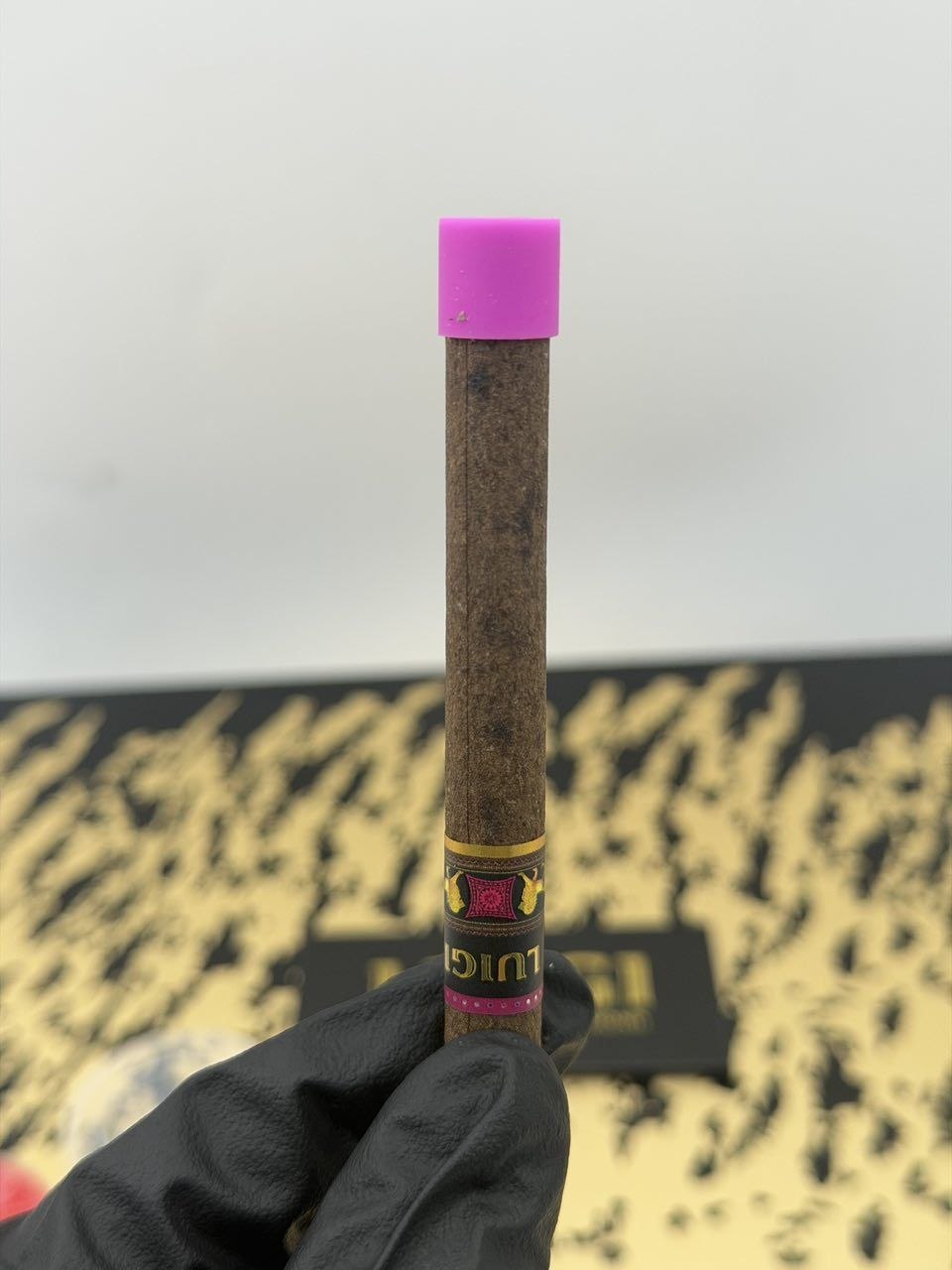
luigi infused fattone pre-rolls Cannabis pre-rolls are pre-assembled products made from ground cannabis flower wrapped in rolling paper or another approved wrapper. In regulated markets, they are manufactured under documented procedures that emphasize consistency, traceability, quality control, and compliance with local regulations. Some pre-rolls contain only ground flower, while others are produced using formulations that incorporate additional cannabis concentrates through infusion techniques.
Understanding how pre-rolls are made requires examining several areas, including raw material selection, preparation methods, infusion concepts, laboratory analysis, packaging, and regulatory documentation. Product names and branding often identify a product line or collection, but scientific testing and manufacturing records provide objective information about composition and quality.
This educational overview explains the technical processes commonly associated with cannabis pre-roll production without promoting any particular product or brand.
What Is a Cannabis Pre-Roll?
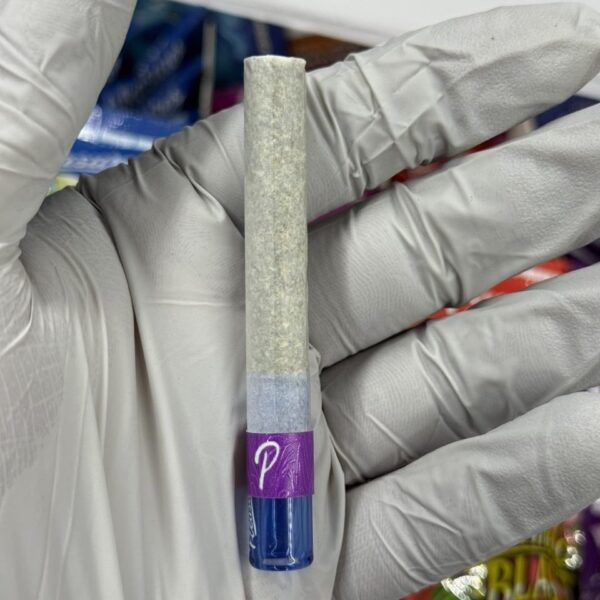
A cannabis pre-roll is a ready-made product consisting of prepared cannabis material enclosed within a wrapper. Manufacturing processes are designed to create products with consistent dimensions, fill weights, and structural integrity.
Depending on the product category and local regulations, a pre-roll may contain:
- Ground cannabis flower
- Flower blended from multiple batches (where permitted)
- Flower with added cannabis concentrate (infused products)
- A filter or crutch for structural support
The exact composition varies according to the manufacturer’s specifications and applicable regulations.
Understanding Infused Pre-Rolls
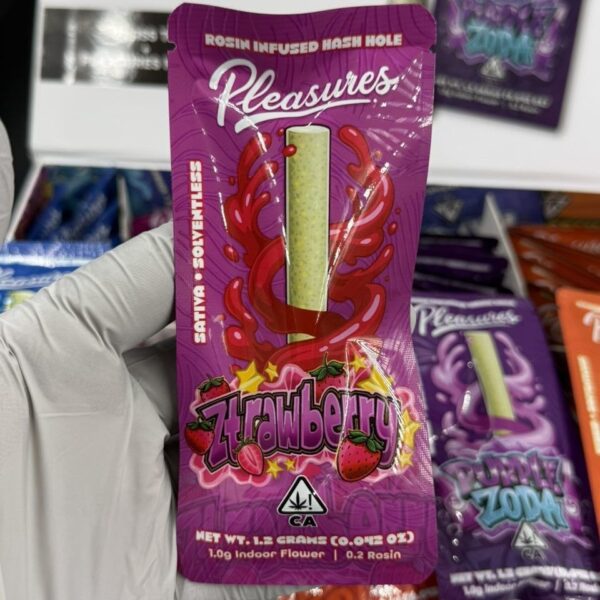
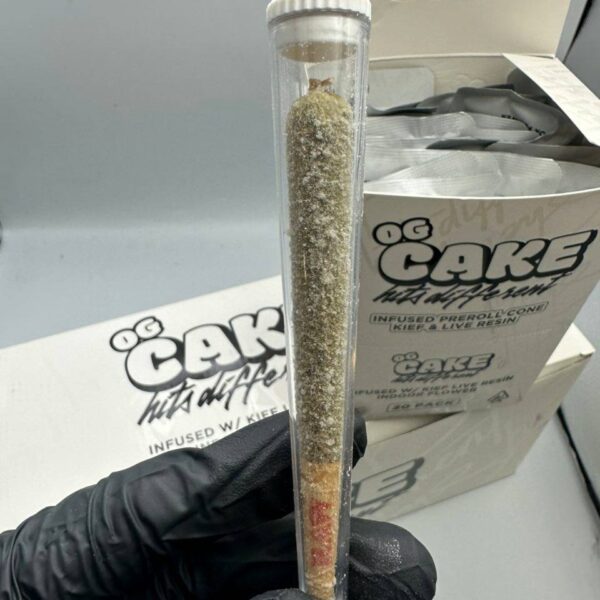
An infused pre-roll combines prepared cannabis flower with one or more cannabis concentrates. The purpose of infusion is to incorporate concentrated cannabis-derived material into the finished product according to documented manufacturing procedures.
Manufacturing approaches differ among producers, and the formulation depends on the intended product category, regulatory requirements, and quality standards.
The infusion process may involve: luigi infused fattone pre-rolls luigi infused fattone pre-rolls luigi infused fattone pre-rolls luigi infused fattone pre-rolls luigi infused fattone pre-rolls luigi infused fattone pre-rolls v luigi infused fattone pre-rolls luigi infused fattone pre-rolls luigi infused fattone pre-rolls luigi infused fattone pre-rolls luigi infused fattone pre-rolls luigi infused fattone pre-rolls luigi infused fattone pre-rolls luigi infused fattone pre-rolls luigi infused fattone pre-rolls
- Preparing the flower
- Measuring concentrate
- Applying concentrate under controlled conditions
- Verifying consistency
- Completing final assembly
Each stage is typically documented within a quality management system.
Raw Material Selection
Manufacturing begins with selecting raw materials that meet established quality criteria.
Evaluation may include:
- Visual inspection
- Moisture assessment
- Batch identification
- Laboratory documentation
- Storage history
Only materials that satisfy predefined specifications proceed to production.
Preparation of Plant Material
Before assembly, cannabis flower is prepared to achieve a consistent particle size suitable for manufacturing.
Preparation may include:
- Inspection
- Removal of unsuitable material
- Controlled grinding
- Mixing for uniformity
Particle size is important because it influences product consistency during manufacturing.
Cannabis Concentrates Used in Infusion
Infused products may incorporate different concentrate categories, depending on product design and regulatory requirements.
Examples include:
- Distillates
- Resin-based concentrates
- Rosin-based concentrates
- Other cannabis-derived extracts permitted under local regulations
Each concentrate has distinct physical and chemical properties that influence manufacturing procedures.
Manufacturing Workflow
Although production methods vary, a typical manufacturing workflow may include:
- Receiving raw materials
- Verifying documentation
- Preparing cannabis flower
- Preparing concentrate
- Combining materials according to specifications
- Forming the pre-roll
- Inspecting finished units
- Packaging
- Batch documentation
Each stage may include quality-control checkpoints.
Quality-Control Procedures
Quality assurance programs help verify that production follows documented procedures.
Common quality checks may include:
- Weight verification
- Dimensional inspection
- Packaging inspection
- Batch record review
- Label verification
These procedures support manufacturing consistency.
Laboratory Testing
Independent laboratory analysis provides measurable information about cannabis products.
Testing programs may include:
Cannabinoid Analysis
Laboratories measure cannabinoids such as:
- THC
- CBD
- CBG
- CBC
- CBN
Results are reported using standardized analytical methods.
Terpene Profiling
Terpene analysis identifies aromatic compounds that naturally occur in cannabis.
Common terpenes include:
- Myrcene
- Limonene
- Caryophyllene
- Pinene
- Linalool
Laboratory reports document the detected compounds and their measured concentrations.
Safety Screening
Where required by regulation, laboratories may also screen for:
- Heavy metals
- Pesticides
- Microbial contaminants
- Residual solvents
Testing requirements differ across jurisdictions.
Certificates of Analysis
A Certificate of Analysis (COA) is a laboratory report associated with a specific production batch.
A COA may include:
- Sample identification
- Batch number
- Laboratory information
- Cannabinoid analysis
- Terpene profile
- Safety screening results
These reports support transparency and traceability.
Batch Tracking
Each production batch is generally assigned a unique identification number.
Batch tracking helps connect products with:
- Manufacturing records
- Laboratory reports
- Packaging documentation
- Distribution records
Traceability supports quality management and regulatory compliance.
Packaging and Labeling
Regulated cannabis products typically include labels containing required information.
Depending on the jurisdiction, labels may display:
- Product identification
- Net contents
- Ingredient information
- Batch number
- Cannabinoid information
- Required warnings
- Storage recommendations
Packaging is designed to protect the product while communicating essential information.
Storage Considerations
Environmental conditions can affect product stability.
Manufacturers may recommend storing products:
- In a cool environment
- Away from excessive heat
- Away from direct sunlight
- In original packaging until use
Storage guidance helps preserve product quality during its intended shelf life.
Regulatory Oversight
Cannabis regulations vary among countries, states, provinces, and territories.
Regulatory systems may address:
- Cultivation
- Manufacturing
- Laboratory testing
- Packaging
- Labeling
- Distribution
- Record keeping
Manufacturers operating in regulated markets are expected to comply with applicable legal requirements.
Evaluating Product Information
When reviewing information about a cannabis pre-roll, it is useful to distinguish branding from technical documentation.
Reliable sources of information include:
- Laboratory reports
- Certificates of Analysis
- Ingredient disclosures
- Batch records
- Regulatory labels
These records provide measurable data that complements product naming and branding.
Cannabis pre-roll manufacturing combines agricultural materials, extraction science, quality-control systems, laboratory analysis, and regulatory documentation. While product names help identify different offerings, technical documentation provides the objective information needed to understand composition, testing, and production practices.
By reviewing laboratory reports, batch records, ingredient information, and regulatory labels, readers can gain a clearer understanding of how cannabis pre-rolls are manufactured and evaluated within regulated markets.
Frequently Asked Questions About Cannabis Pre-Rolls, Infusion Methods, and Quality Testing
What is a cannabis pre-roll?
A cannabis pre-roll is a ready-made product consisting of prepared cannabis material enclosed in rolling paper or another approved wrapper. It is manufactured under documented procedures intended to produce consistent size, weight, and construction.
Depending on the product category and local regulations, a pre-roll may contain:
- Ground cannabis flower
- A filter or crutch for structural support
- Cannabis-derived concentrates in infused varieties
The exact formulation depends on the manufacturer’s specifications and applicable regulations.
What is an infused pre-roll?
An infused pre-roll combines prepared cannabis flower with one or more cannabis concentrates. The concentrate is incorporated during manufacturing according to documented production procedures.
Manufacturers may use different infusion techniques depending on the intended formulation, production equipment, and regulatory requirements.
How are pre-rolls manufactured?
Although manufacturing methods vary, a typical production process may include:
- Receiving and documenting raw materials
- Inspecting incoming materials
- Preparing cannabis flower
- Measuring ingredients
- Assembling the pre-roll
- Inspecting finished products
- Packaging
- Recording batch information
Quality-control procedures may be performed throughout production.
Why is particle size important?
Ground cannabis is generally prepared to achieve a consistent particle size.
Uniform preparation may help support:
- Manufacturing consistency
- Even filling
- Product uniformity
- Process control
Particle size specifications differ among manufacturers.
What types of cannabis concentrates may be used in infused products?
Depending on product design and local regulations, infused products may incorporate concentrates such as:
- Distillates
- Resin-based extracts
- Rosin-based extracts
- Other cannabis-derived extracts permitted by regulation
Each concentrate category has distinct physical and chemical characteristics.
What are cannabinoids?
Cannabinoids are naturally occurring chemical compounds found in cannabis plants.
Common cannabinoids include:
- THC
- CBD
- CBG
- CBC
- CBN
The concentration of these compounds depends on genetics, cultivation methods, harvest timing, and processing techniques.
What are terpenes?
Terpenes are aromatic compounds naturally found in cannabis and many other plant species.
Common examples include:
- Myrcene
- Limonene
- Caryophyllene
- Pinene
- Linalool
Terpene analysis helps document the aromatic composition of a sample.
Why is laboratory testing important?
Laboratory testing provides measurable information about cannabis products.
Testing programs may evaluate:
Cannabinoid content
Laboratories measure the concentration of cannabinoids present in a sample.
Terpene profile
Analytical testing identifies and quantifies aromatic compounds.
Safety screening
Depending on local regulations, testing may include screening for:
- Heavy metals
- Pesticides
- Microbial contaminants
- Residual solvents
Testing requirements vary by jurisdiction.
What is a Certificate of Analysis (COA)?
A Certificate of Analysis (COA) is a laboratory report associated with a specific production batch.
A COA may include:
- Sample identification
- Batch number
- Laboratory information
- Cannabinoid analysis
- Terpene profile
- Safety screening results
The document supports product traceability and transparency.
Why are batch numbers used?
Batch numbers connect products to manufacturing and laboratory records.
They help support:
- Product traceability
- Quality assurance
- Documentation
- Regulatory compliance
- Recall management, when necessary
What information appears on regulated labels?
Label requirements vary by region, but regulated products may include:
- Product identification
- Ingredient information
- Net quantity
- Cannabinoid content
- Batch number
- Storage instructions
- Required warnings
Consumers should review labels for objective product information.
How are products packaged?
Packaging serves several technical and regulatory purposes.
It may help:
- Protect the product
- Preserve product integrity
- Display required information
- Support transportation
- Meet legal packaging requirements
Specific standards depend on local regulations.
How should cannabis products be stored?
Manufacturers may recommend storing products:
- Away from excessive heat
- In a cool, dry location
- Away from direct sunlight
- In their original packaging until use
Storage recommendations help maintain product stability.
What quality-control procedures are used during manufacturing?
Manufacturers may implement quality-control systems that include:
- Incoming material inspection
- Weight verification
- Assembly inspection
- Packaging review
- Documentation verification
These procedures support consistency throughout production.
Why is traceability important?
Traceability connects each finished product to its manufacturing history.
Traceability systems may document:
- Production dates
- Ingredient records
- Laboratory testing
- Packaging information
- Distribution history
These records support regulatory oversight and quality management.
How do regulations affect cannabis manufacturing?
Cannabis regulations differ among countries, states, provinces, and territories.
Regulatory systems may establish requirements for:
- Cultivation
- Processing
- Manufacturing
- Laboratory testing
- Packaging
- Labeling
- Distribution
- Record keeping
Manufacturers operating in regulated markets must follow the requirements applicable to their jurisdiction.
How can technical information be evaluated?
A thorough review of a cannabis product typically includes:
- Product labels
- Certificates of Analysis
- Ingredient disclosures
- Batch records
- Laboratory reports
- Manufacturer documentation
These sources provide objective information that complements product naming and branding.
Cannabis pre-rolls are manufactured through documented production processes that may include raw material preparation, assembly, quality-control procedures, laboratory testing, packaging, and batch tracking. Scientific documentation—including laboratory reports and Certificates of Analysis—provides measurable information about product composition and testing, while branding and product names primarily serve identification purposes.
Technical Overview of Cannabis Pre-Roll Manufacturing, Infusion Processes, and Quality Documentation
Cannabis pre-rolls combine agricultural materials, manufacturing processes, laboratory analysis, and regulatory oversight into a standardized product format. Although product names and branding distinguish different offerings, technical evaluation relies on objective information such as ingredient documentation, analytical testing, quality-control records, and batch traceability.
From a manufacturing perspective, pre-roll production involves multiple stages, including raw material preparation, formulation, assembly, inspection, packaging, and documentation. Each stage contributes to product consistency and compliance within regulated markets.
This overview explains the technical principles behind cannabis pre-roll production without promoting any specific product or brand.
Product Classification
What Is a Cannabis Pre-Roll?
A cannabis pre-roll is a pre-assembled product containing prepared cannabis material enclosed in a rolling paper or another approved wrapper. Depending on the product category and local regulations, it may consist solely of ground cannabis flower or include additional cannabis-derived concentrates in infused formulations.
Typical components may include:
- Ground cannabis material
- Rolling paper or approved wrapper
- Filter or crutch
- Cannabis concentrate in infused products
The composition depends on the manufacturer’s formulation and applicable regulatory requirements.
Raw Material Management
Material Selection
Production begins with the evaluation of incoming raw materials. Manufacturers commonly verify identity, documentation, and condition before materials enter the production process.
Assessment may include:
- Batch identification
- Visual inspection
- Moisture evaluation
- Storage history
- Supporting laboratory documentation
Only materials meeting established specifications proceed to manufacturing.
Preparation of Plant Material
Cannabis flower is generally processed to achieve a consistent particle size suitable for assembly.
Preparation may involve:
- Inspection
- Removal of unsuitable material
- Controlled grinding
- Blending for uniformity
Consistent preparation supports repeatable manufacturing outcomes.
Infusion Concepts
What Is an Infused Pre-Roll?
An infused pre-roll incorporates one or more cannabis-derived concentrates into the prepared flower during production. The formulation and manufacturing approach vary according to the intended product design and regulatory framework.
Potential concentrate categories include:
- Distillates
- Resin-based extracts
- Rosin-based extracts
- Other cannabis-derived concentrates permitted by regulation
Each concentrate has distinct physical characteristics that influence handling and production.
Manufacturing Workflow
Although manufacturing systems differ among facilities, a general workflow may include:
- Receipt of raw materials
- Verification of documentation
- Preparation of cannabis flower
- Preparation of concentrate, where applicable
- Assembly of the pre-roll
- Inspection and quality checks
- Packaging
- Batch documentation
- Storage before distribution
Each stage may be recorded as part of a quality management system.
Quality-Control Systems
Quality-control programs are designed to support manufacturing consistency and regulatory compliance.
Common inspection activities may include:
- Fill-weight verification
- Dimensional measurements
- Wrapper integrity checks
- Packaging inspection
- Documentation review
Manufacturers may establish acceptance criteria for each production stage.
Cannabinoid Chemistry
Cannabinoids
Cannabinoids are naturally occurring compounds produced by cannabis plants.
Commonly analyzed cannabinoids include:
- THC
- CBD
- CBG
- CBC
- CBN
The concentration of these compounds depends on genetics, cultivation practices, processing methods, and formulation.
Cannabinoid Analysis
Analytical laboratories use validated methods to determine cannabinoid concentrations.
Results may be reported as:
- Percentage by weight
- Milligrams
- Concentration values
Reporting formats depend on regulatory requirements and product type.
Terpene Analysis
Terpenes
Terpenes are aromatic compounds naturally found in cannabis and many other plant species.
Frequently identified terpenes include:
- Myrcene
- Limonene
- Caryophyllene
- Pinene
- Linalool
Laboratory testing identifies terpene composition using analytical instrumentation.
Factors Affecting Terpene Profiles
Terpene composition may vary because of:
- Plant genetics
- Environmental conditions
- Harvest timing
- Processing techniques
- Storage conditions
Consequently, terpene profiles may differ between production batches.
Laboratory Testing
Purpose of Testing
Laboratory analysis provides objective information regarding product composition and safety.
Testing programs may include:
- Cannabinoid analysis
- Terpene profiling
- Heavy metal screening
- Pesticide analysis
- Residual solvent testing
- Microbiological screening
Testing requirements vary across regulatory jurisdictions.
Certificates of Analysis
Function of a COA
A Certificate of Analysis (COA) documents laboratory results for a specific production batch.
A COA may include:
- Product identification
- Sample information
- Batch number
- Laboratory details
- Cannabinoid profile
- Terpene analysis
- Safety screening results
These reports support transparency and product traceability.
Batch Traceability
Batch identification systems connect finished products with manufacturing and laboratory records.
Traceability documentation may include:
- Production dates
- Ingredient records
- Testing documentation
- Packaging information
- Distribution history
Such systems support quality assurance and regulatory oversight.
Packaging and Labeling
Packaging Functions
Packaging is designed to:
- Protect the product
- Preserve structural integrity
- Display required information
- Support transportation
Packaging specifications vary according to product design and local regulations.
Label Content
Regulated cannabis labels may include:
- Product identification
- Ingredient information
- Net quantity
- Cannabinoid content
- Batch number
- Storage guidance
- Required warnings
The exact labeling requirements differ among jurisdictions.
Storage and Stability
Environmental conditions influence product stability throughout storage and distribution.
Important considerations include:
- Temperature
- Humidity
- Light exposure
- Packaging integrity
Manufacturers generally provide storage recommendations based on product characteristics.
Manufacturing Documentation
Comprehensive documentation supports production consistency and regulatory compliance.
Typical records may include:
- Raw material logs
- Batch production records
- Equipment maintenance records
- Laboratory reports
- Packaging verification
- Distribution documentation
Documentation enables traceability throughout the product lifecycle.
Regulatory Framework
Cannabis regulations vary significantly between countries, states, provinces, and territories.
Regulatory systems may govern: luigi infused fattone pre-rolls luigi infused fattone pre-rolls luigi infused fattone pre-rolls luigi infused fattone pre-rolls luigi infused fattone pre-rolls luigi infused fattone pre-rolls luigi infused fattone pre-rolls luigi infused fattone pre-rolls luigi infused fattone pre-rolls luigi infused fattone pre-rolls luigi infused fattone pre-rolls luigi infused fattone pre-rolls luigi infused fattone pre-rolls luigi infused fattone pre-rolls luigi infused fattone pre-rolls luigi infused fattone pre-rolls luigi infused fattone pre-rolls.
- Cultivation
- Processing
- Manufacturing
- Laboratory testing
- Packaging
- Labeling
- Distribution
- Record keeping
Organizations operating in regulated markets are expected to comply with applicable legal requirements.
Evaluating Technical Information
When reviewing information about a cannabis product, it is helpful to distinguish branding from objective documentation.
Reliable technical sources include:
- Certificates of Analysis
- Laboratory reports
- Ingredient disclosures
- Batch production records
- Regulatory labels
- Manufacturer documentation
These materials provide measurable information that complements product identification and branding.
Conclusion
Cannabis pre-roll manufacturing integrates plant science, formulation techniques, laboratory analysis, quality-control procedures, and regulatory documentation. While product names and branding help identify specific offerings, technical evaluation depends on verified information such as analytical test results, ingredient disclosures, batch records, and compliance documentation.
By understanding the production workflow, testing procedures, and traceability systems used in regulated markets, readers can better interpret the technical information associated with cannabis pre-roll products.
This overview is provided for educational purposes only. It does not constitute medical, legal, or purchasing advice and does not endorse or promote any cannabis product.




Reviews
There are no reviews yet.